Weekend Reading #101


Weekend Reading: A weekly roundup of interesting Software Architecture and Programming articles from tech companies. Find fresh ideas and insights every weekend.
This week: bool.dev explains how Raft commits writes and survives failures; Uber composes search indexes across independently owned services; Meta moves reusable privacy checks into data-access libraries; and LinkedIn connects user interactions to backend traces with OpenTelemetry.
Raft Consensus Algorithm Explained: Leader Election and Log Replication
👉 For backend engineers and architects working with replicated systems
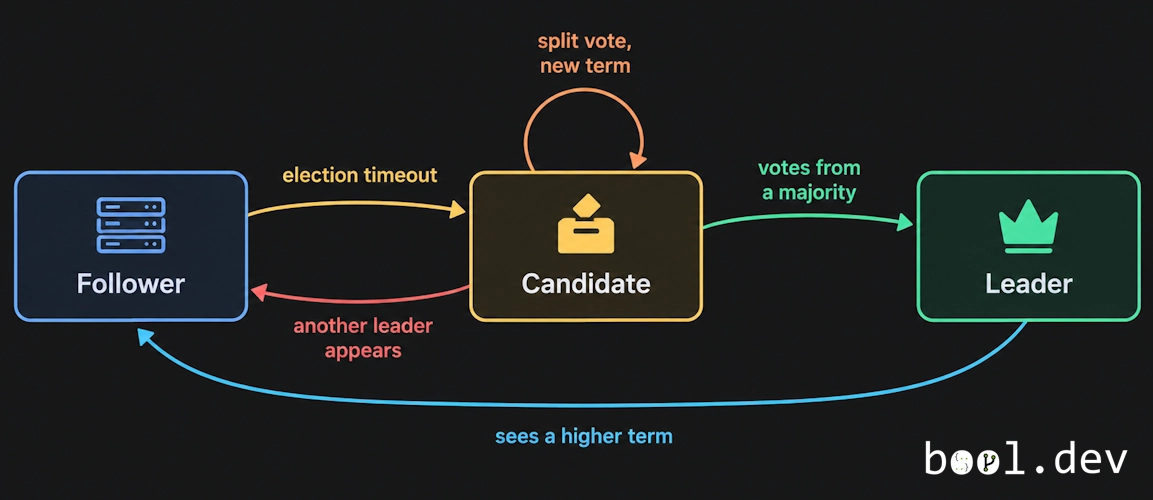
A server accepting a write does not mean the cluster has safely committed it. This guide follows Raft through leader election, log replication, and network partitions, showing how majority agreement protects committed entries when leadership changes. Its diagrams make the distinction between receiving, storing, and committing a command concrete.
The practical lesson is to plan around quorum availability. Three voting nodes tolerate one failure; adding a fourth does not increase that tolerance. Placement matters too: a majority that shares one failure domain can disappear together. Before increasing cluster size, identify which failures the deployment must survive and what latency the required acknowledgments introduce. Replication provides useful guarantees only when the deployment preserves the conditions those guarantees depend on.
Freight Search: Composing a Shared Search Index from Independently Owned Fragments
👉 For data-platform engineers building search across microservices
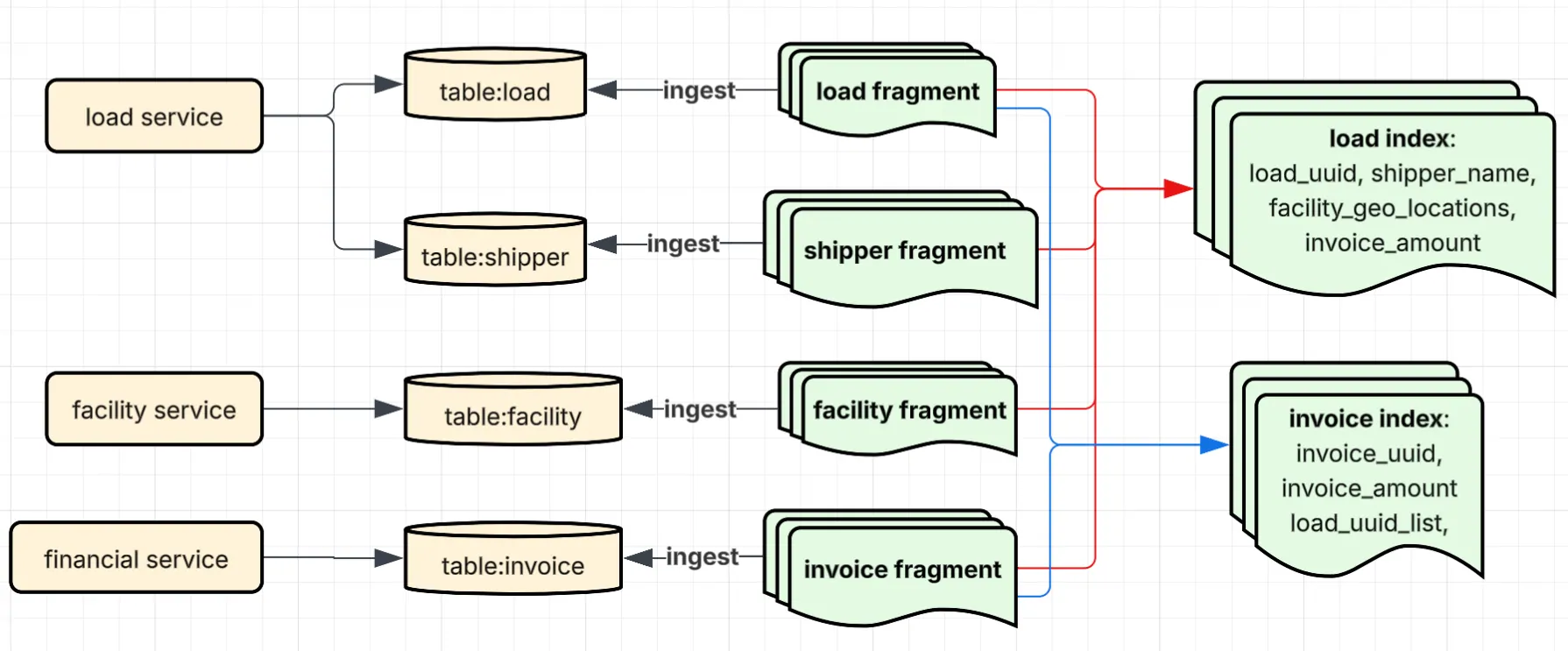
Uber Freight builds searchable documents from fragments contributed by different services. Each indexed field belongs to exactly one fragment. Spark bootstraps the index, while Flink processes subsequent changes and updates the affected fields. The platform handles over 70 source topics and 300 fragments, with freshness measured in seconds.
The useful architectural choice is explicit ownership inside a shared read model. Teams retain responsibility for their data while the platform handles indexing and propagation. That separation also supports the ongoing migration to OpenSearch without rewriting every business entity. However, denormalization moves work into ingestion: changing a shared facility can affect many shipments. Before adopting this pattern, measure update fan-out and define acceptable staleness alongside query latency.
PrivacyLib: Privacy Controls at the Data Access Boundary
👉 For security architects and platform engineers implementing shared access controls
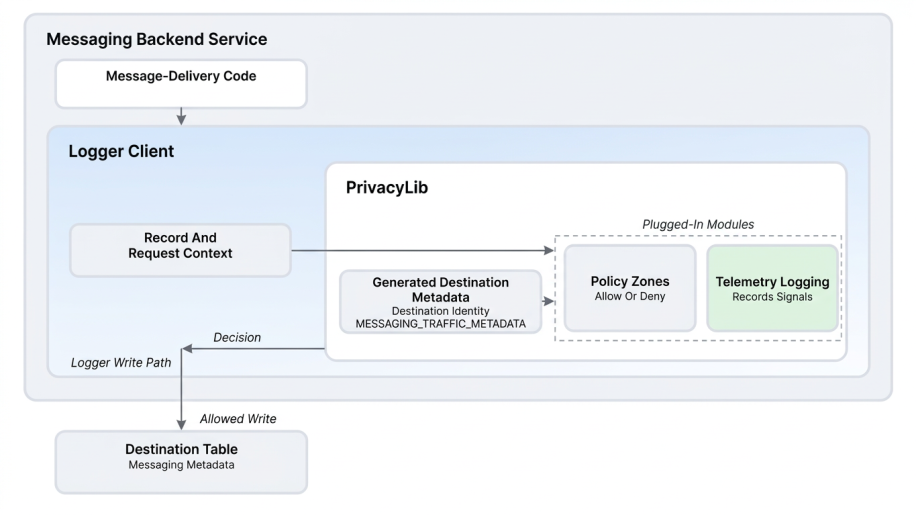
Meta’s PrivacyLib separates integration with data systems from implementing privacy requirements. Client libraries expose common operations, and reusable modules evaluate access using request context and destination metadata. Generated artifacts and local caches keep most checks inside the process. Supported RPC paths provide an additional enforcement boundary for requests that bypass integrated clients.
The important tradeoff is between consistent policy implementation and deployment independence. Shipping changes through individual services limits the impact of a faulty release, but updates reach the fleet gradually. Coverage and version adoption therefore become operational responsibilities. A smaller platform can apply the same principle: establish a few well-defined access boundaries, test policy changes against observed traffic, and track which callers still bypass those boundaries.
From Member Tap to Backend: How LinkedIn Traced the Member Journey with OpenTelemetry
👉 For SREs and client-platform engineers investigating user-facing failures
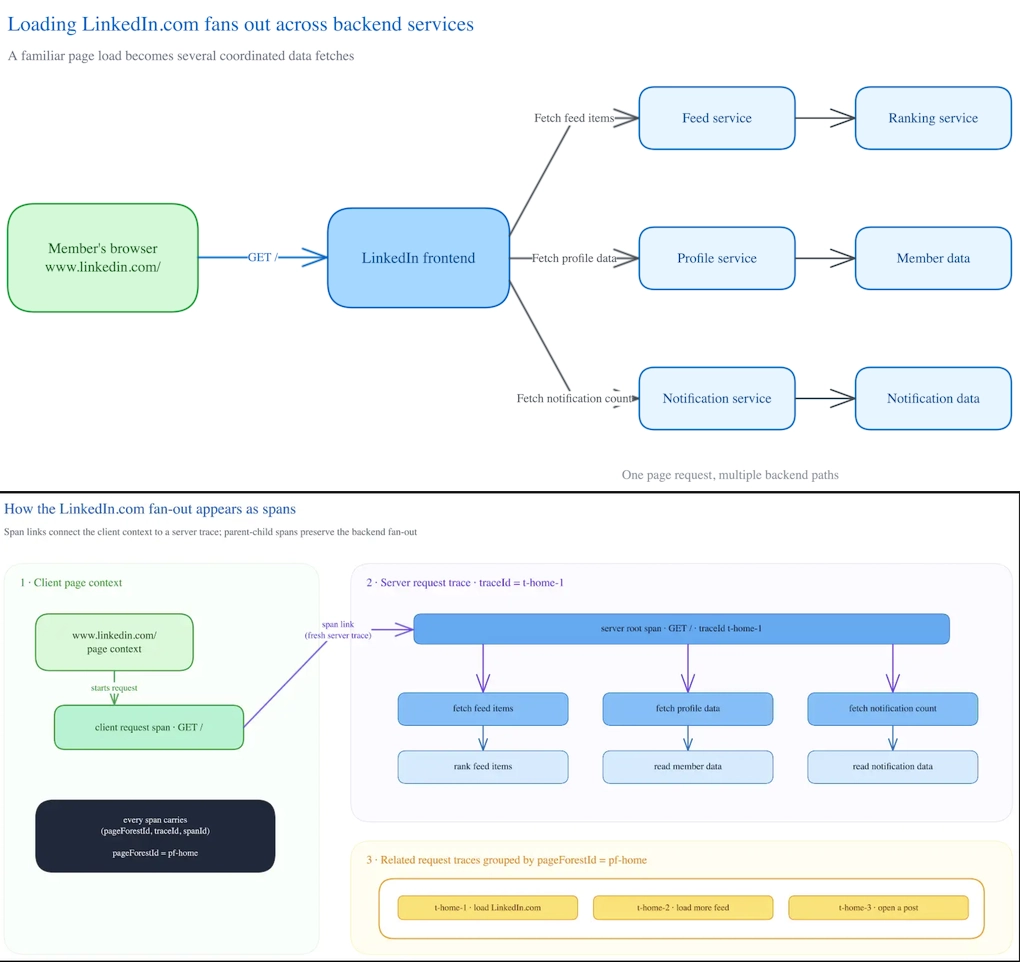
LinkedIn connects client activity with backend request traces through a shared page identifier. Individual requests retain their own trace IDs, while the page context groups the requests involved in one experience. Client spans reuse the existing delivery pipeline; Kafka and ClickHouse bring the signals together for investigation.
The transferable lesson is that installing tracing SDKs does not establish reliable correlation. Sampling decisions must propagate across the stack, schemas need shared ownership, and mobile applications need lifecycle-aware export. Otherwise, missing spans can produce misleading explanations. Start with one important user journey and verify that a visible failure leads to its backend cause. Then test backgrounding, abrupt termination, and sampling boundaries before expanding instrumentation.