
Weekend Reading #85


Weekend Reading: A weekly roundup of interesting Software Architecture and Programming articles from tech companies. Find fresh ideas and insights every weekend.
This week: a comprehensive 800+ question .NET interview guide covering everything from C# fundamentals to AI and distributed systems. Airbnb goes deeper into its Sitar platform with sitar-agent — the Kubernetes sidecar that reliably delivers dynamic config at the pod level. Pinterest shares the full journey of building production Ray infrastructure on Kubernetes, from KubeRay workarounds to cost governance. And Lyft explains how its metric semantic layer creates a single source of truth for key data definitions across the organization.
800+ .NET Interview Questions and Answers
👉 For .NET developers at all levels preparing for interviews — from junior to architect and tech lead roles
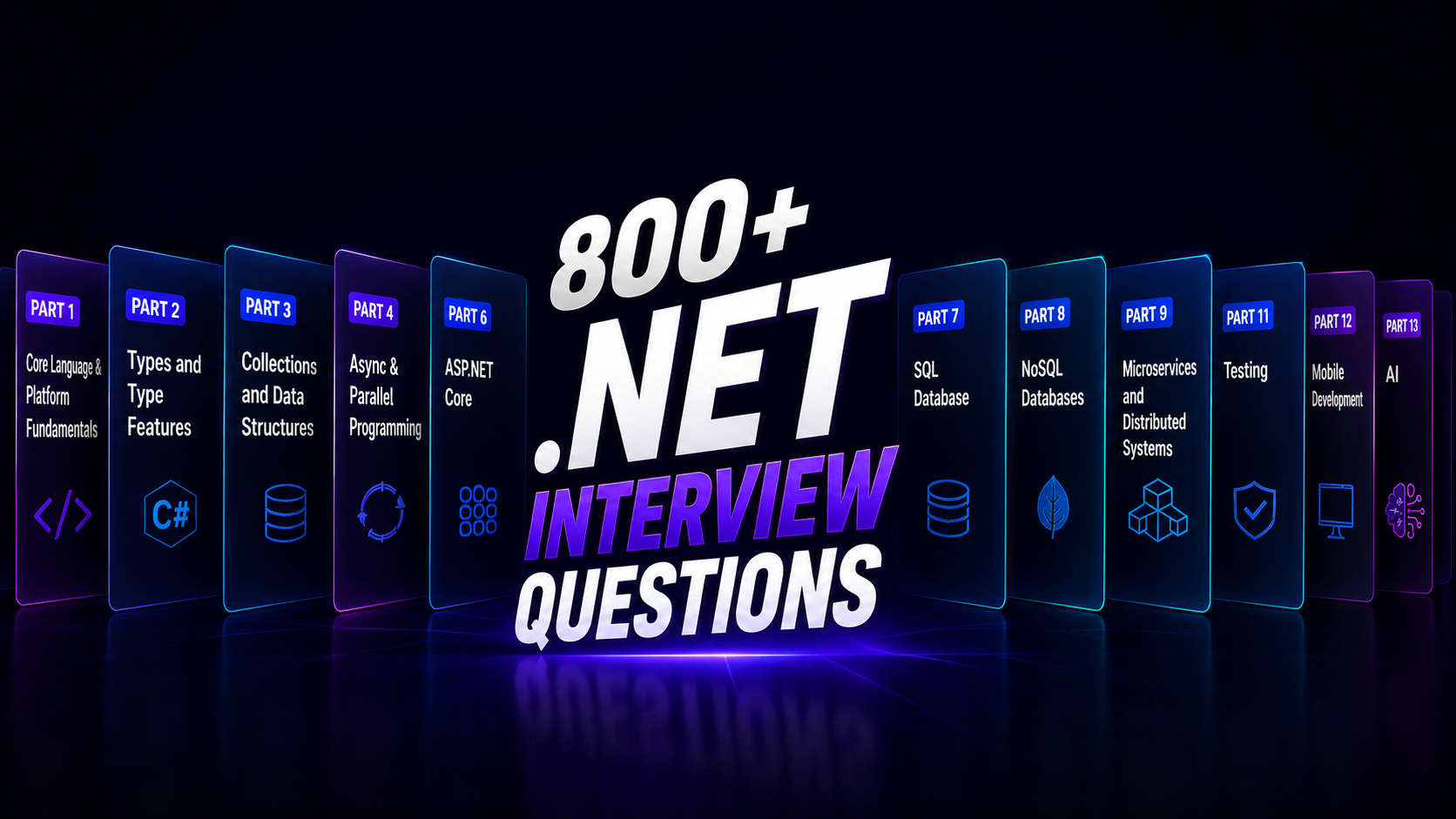
A massive, structured collection of 800+ questions covering C#, ASP.NET Core, EF Core, SQL, NoSQL, microservices, distributed systems, testing, AI, Agile, mobile, and desktop development. Each answer is split into junior/middle/senior tiers, built from over a decade of real interview experience on both sides of the table.
Sitar-agent: Building a Reliable Dynamic Configuration Sidecar at Scale
👉 For platform engineers, SREs, and infrastructure teams running dynamic configuration delivery on Kubernetes
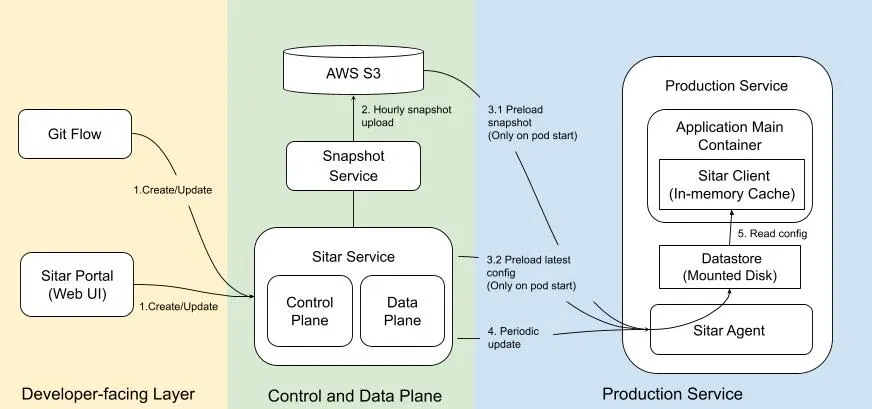
Airbnb details how it built sitar-agent, a Kubernetes sidecar that reliably delivers dynamic configuration at scale. This is a companion post to their earlier Sitar platform article, diving deeper into the data plane: how the sidecar fetches, caches, and serves config locally to application pods, with resilience and consistency guarantees.
Ray Infrastructure at Pinterest
👉 For ML infrastructure engineers, platform teams, and anyone integrating Ray into a large-scale Kubernetes environment
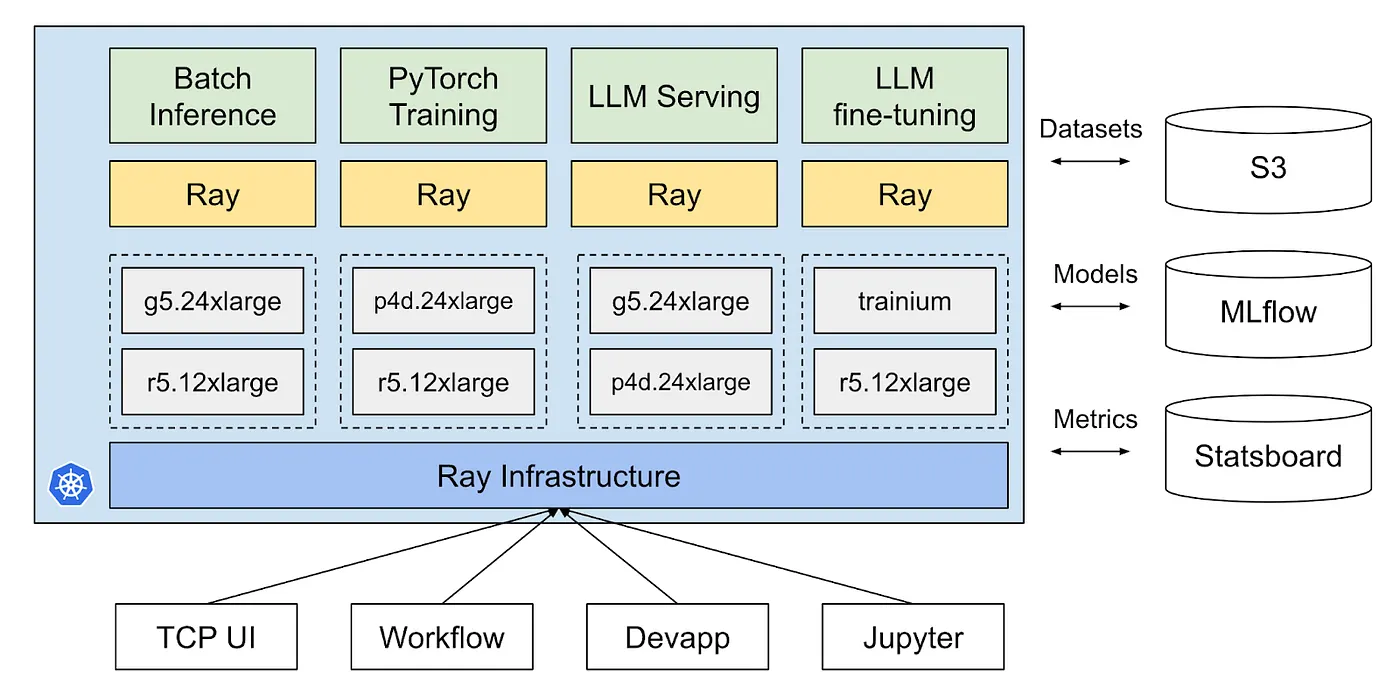
Pinterest shares the full journey of integrating Ray into its production infrastructure from prototyping with Anyscale to solving real challenges such as limited K8S API access, ephemeral logging, cost optimization, security, and metrics integration. The post covers how they worked around KubeRay's limitations by using Pinterest-specific CRDs and building garbage collection policies to prevent idle cluster waste.
Metric Semantic Layer: How Lyft Governs and Scales Key Data Definitions
👉 For data engineers, analytics engineers, and data platform teams building centralized metric definitions across organizations
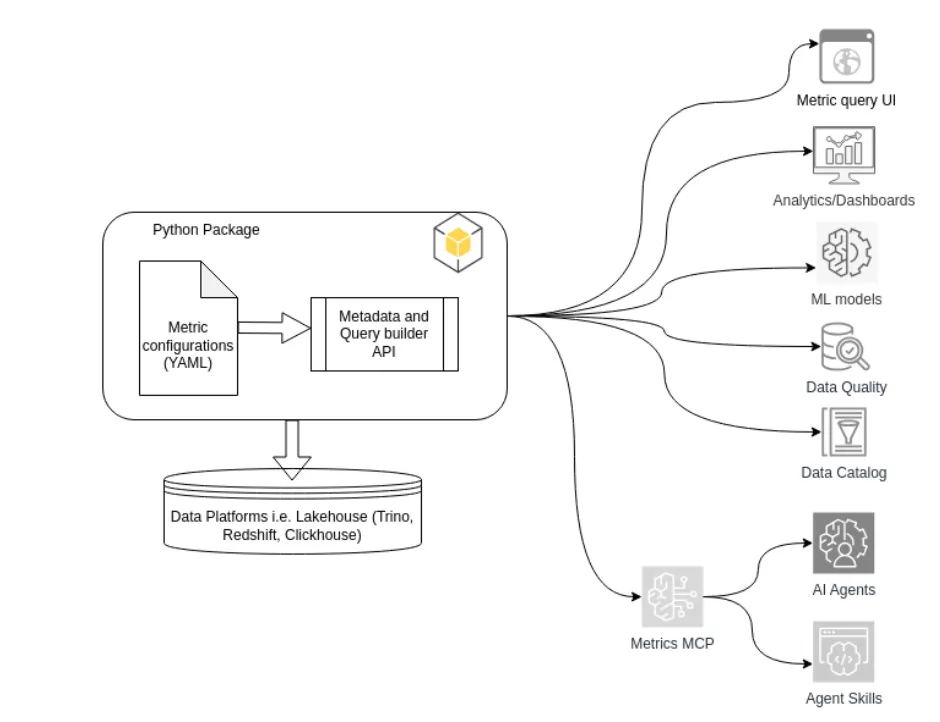
Lyft describes how they built a metric semantic layer to govern and standardize key data definitions across teams, eliminating the classic problem of different departments calculating the same metric differently and ensuring a single source of truth for business-critical KPIs at scale.