
Weekend Reading #88


Weekend Reading: A weekly roundup of interesting Software Architecture and Programming articles from tech companies. Find fresh ideas and insights every weekend.
This week: a comprehensive Agile & Scrum interview guide covering everything from DORA metrics to scaling anti-patterns. Uber details the multi-prompt state graph architecture behind Cart Assistant — their agentic grocery shopping system that turns photos and text into ready-to-order carts. Slack introduces Shipyard, a next-gen EC2 platform built on immutable layered AMIs, progressive rollouts, and automatic instance cycling via "The Reaper." And Stripe shares how they modeled their MongoDB fleet as a traversable graph, using pathfinding algorithms to auto-remediate database issues and cut pager volume by 30%.
Agile & Scrum Interview Questions and Answers (2026): for Developers, Architects, Team Leads, and Everyone
👉 For developers, architects, team leads, and anyone preparing for interviews or wanting to level up their Agile and Scrum understanding

A massive guide covering Agile fundamentals, Scrum ceremonies, Kanban, estimation, risk management, metrics (including DORA), backlog management, scaling with SAFe, and common anti-patterns. Each answer explains what really works vs. what's just "Agile theater," with diagrams and practical examples.
Cart Assistant: Agentic Grocery Shopping on Uber Eats
👉 For AI/ML engineers, product engineers, and anyone building agentic systems that need to bridge natural language intent with real-world inventory and constraints
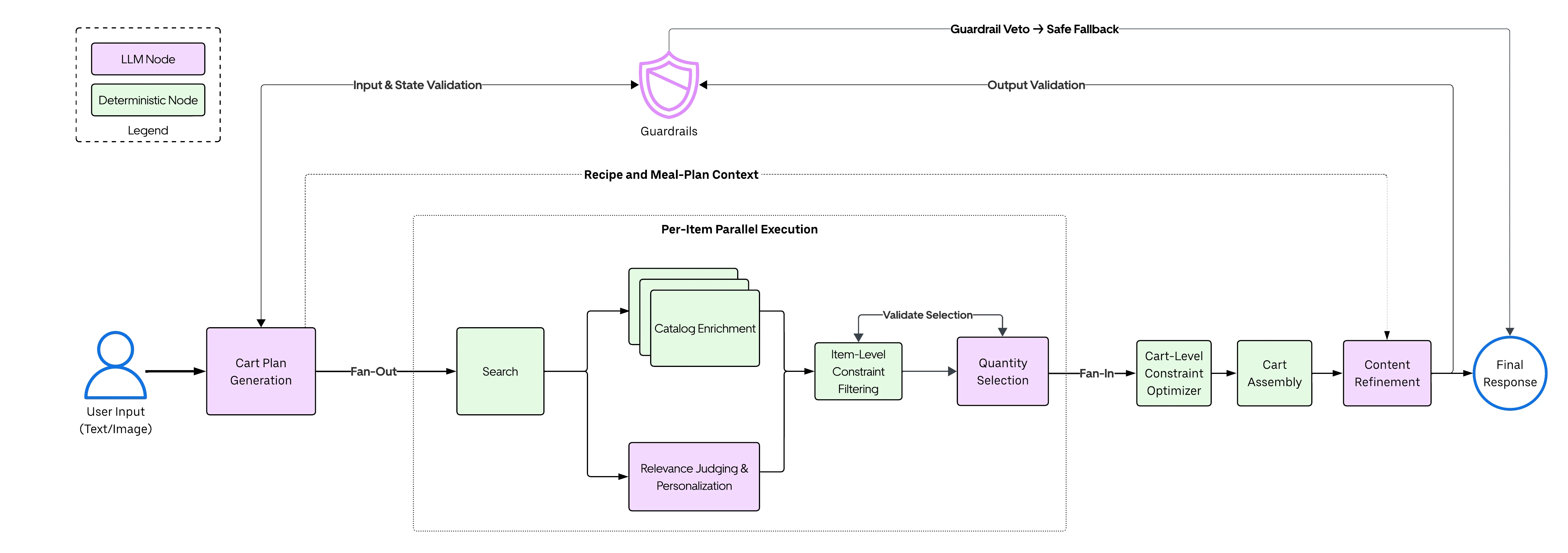
Uber built Cart Assistant — an agentic AI system that turns text prompts or photos of shopping lists into ready-to-order grocery carts on Uber Eats. The architecture uses a multi-prompt state graph where each LLM call has a narrow responsibility (planning, relevance judging, quantity selection), surrounded by deterministic retrieval, constraint enforcement, and guardrails. The post also covers their eval-driven development framework combining rule-based checks with LLM-as-a-judge.
Shipyard: How We Built Slack's Next-Generation EC2 Platform
👉 For platform engineers, SREs, and infrastructure teams managing EC2 fleets or thinking about immutable infrastructure beyond containers
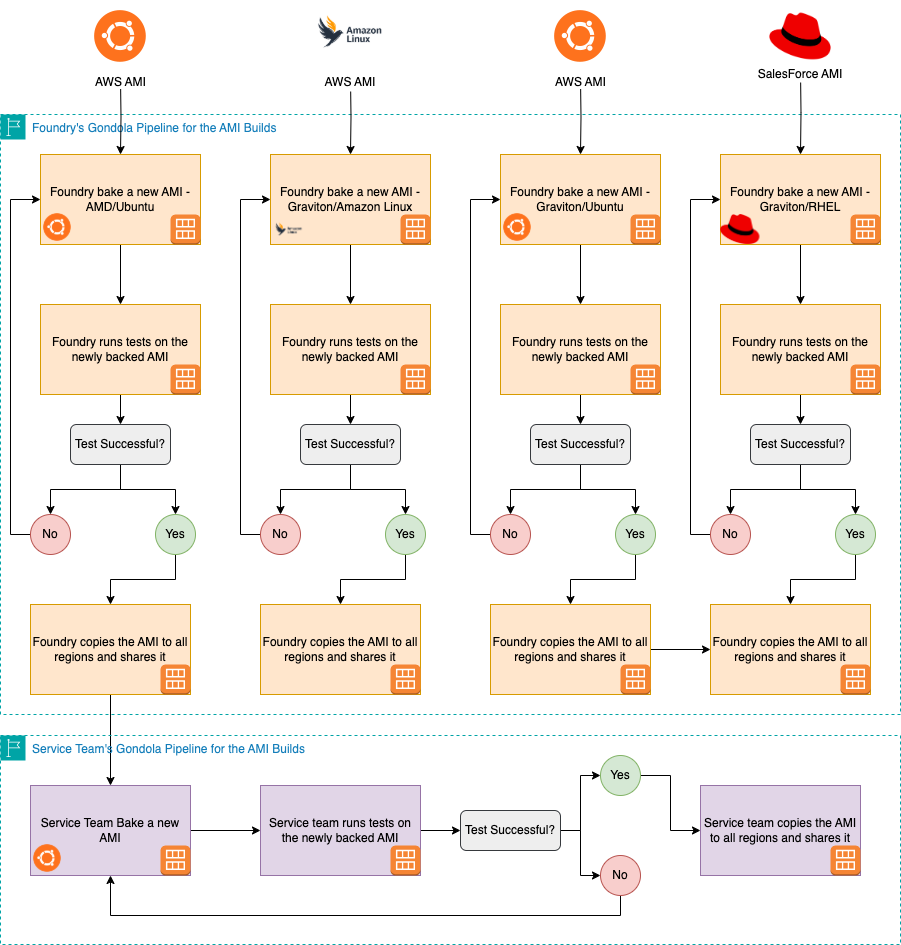
Slack built Shipyard — a platform that treats EC2 instances as deployable artifacts rather than mutable servers. It uses layered AMI images (a shared "slack-zero" base + service-specific layers), metrics-driven progressive rollouts via their Gondola orchestrator, a real-time inventory system called Peekaboo, and "The Reaper" — a system that automatically cycles instances that exceed their lifespan or get manually accessed.
How Stripe Uses Graph Search and State Machines to Auto-Remediate a Global Database Fleet
👉 For database engineers, SREs, and infrastructure teams managing large stateful fleets who want to automate recovery instead of firefighting
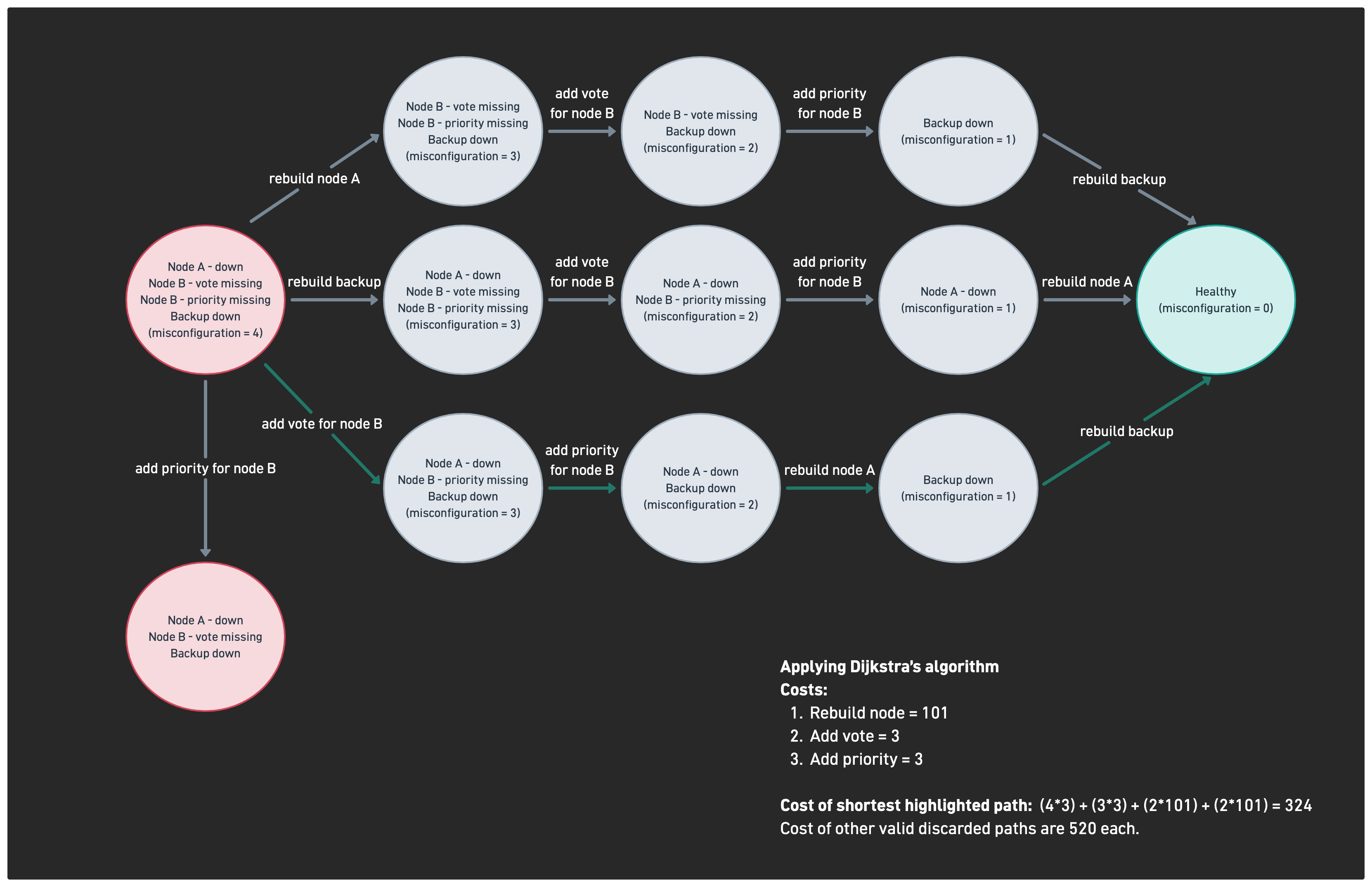
Stripe modeled their entire MongoDB infrastructure as a traversable graph and uses pathfinding algorithms to dynamically compute and execute recovery plans when shards drift from their desired state. The system reduced pager volume by 30% (~200 pages/year), eliminated 12 days of unhealthy shard states annually, and handles new shard layouts with zero manual effort.