
Weekend Reading #90


Weekend Reading: A weekly roundup of interesting Software Architecture and Programming articles from tech companies. Find fresh ideas and insights every weekend.
This week: Canva shows how it scaled session revocation checks with S3-backed binary chunks, Meta explains how BPF-based Linux scheduling improved ads serving latency and power usage, and Cloudflare shares two agent-infrastructure deep dives: stateless MCP and Kitesurf, a lightweight browser runtime for AI agents on Workers.
Session revocations at scale
👉 For backend engineers building authentication, session, and gateway systems at high scale
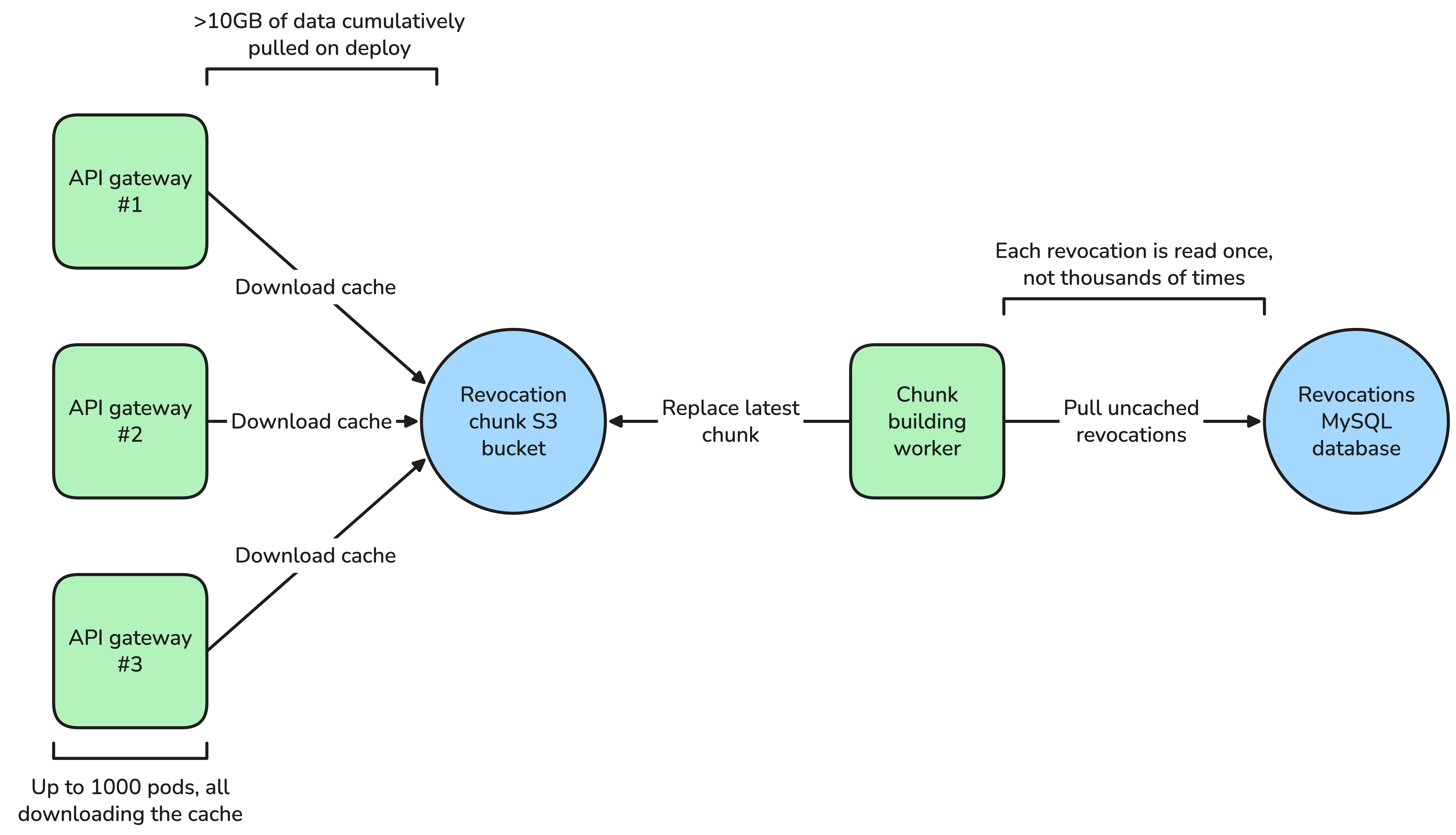
Canva replaced a MySQL-heavy startup path for gateway session revocation caches with compact S3-backed chunks. The design stores a 12-hour sliding window, partitions revocations into 30-minute objects, uses 16-byte binary records, and keeps gateway checks in memory. The result reduced cache memory by 87.5% and removed the database stampede during deploys.
Modernizing the Meta Ads Service With an Open-Source Kernel Scheduler
👉 For platform engineers, kernel engineers, and architects tuning latency-critical infrastructure
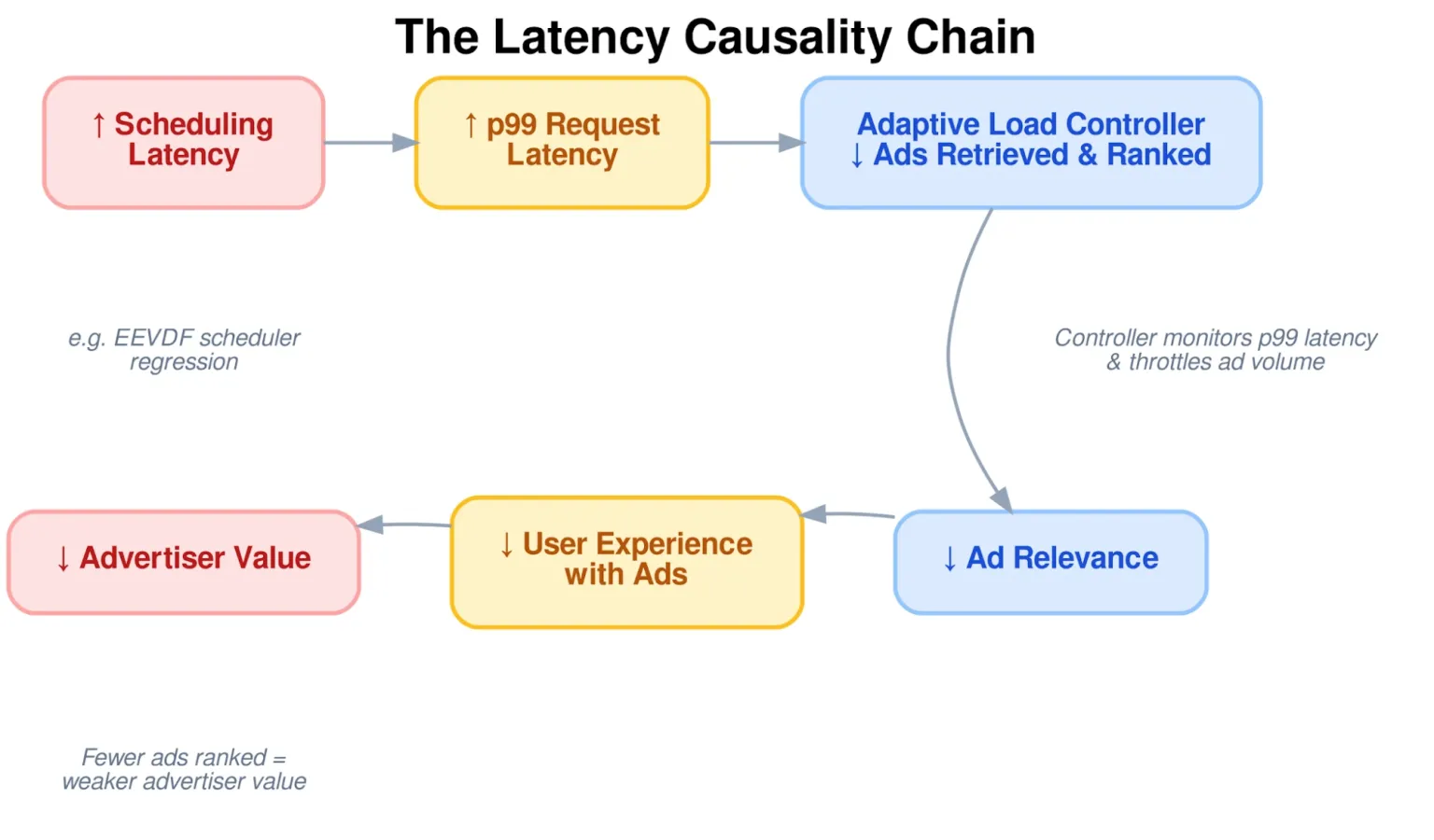
Meta used sched_ext, the BPF-based extensible Linux scheduler framework, to customize CPU scheduling for ads-serving workloads. Instead of treating all threads equally, the scheduler soft-partitions CPUs for latency-critical and less-sensitive work. Meta reports a 28% reduction in ads retrieval p99 latency, 3.28 MW of power savings, and faster iteration because scheduler changes ship as user-space BPF programs.
The next generation of MCP
👉 For developers building agent tools, MCP servers, and serverless AI integrations
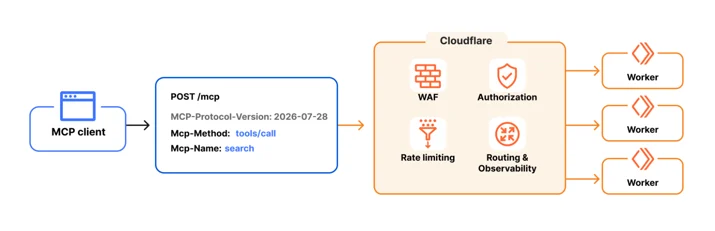
Cloudflare explains the MCP 2026-07-28 update, which removes required protocol sessions, Mcp-Session-Id, sticky routing, and stateful infrastructure from the core request path. MCP requests now carry the needed protocol, client, and capability context per request, making servers easier to run on request-scoped platforms like Cloudflare Workers. The post also covers multi-round-trip requests, HTTP headers for gateway policy, and migration from sessionful MCP servers.
Introducing Kitesurf: The agent-first browser that runs in V8 isolates on Cloudflare Workers
👉 For AI platform teams, browser automation engineers, and developers building agentic web workflows
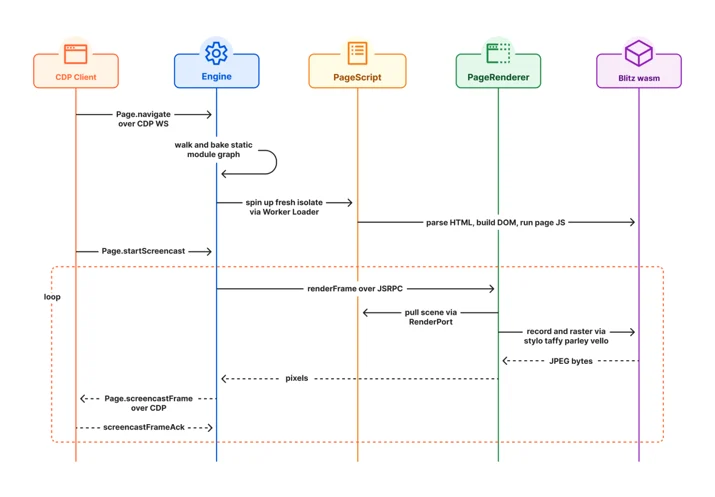
Cloudflare built Kitesurf as a browser runtime optimized for AI agents, not humans. The article argues that agents need structured extraction, screenshots, scale, lower memory use, and safety controls more than tabs, extensions, or pixel-perfect rendering. It is useful reading for teams deciding when Chromium is too heavy for agent workloads and what a browser designed for serverless isolation might look like.