
Weekend Reading #91


Weekend Reading: A weekly roundup of interesting Software Architecture and Programming articles from tech companies. Find fresh ideas and insights every weekend.
This week: Netflix shares how it runs LLM serving inside its own production ML platform, Uber shows a scalable identity-verification architecture for Apple Wallet IDs, Meta connects AI storage design directly to GPU utilization, and Cloudflare explains a reliability-focused redesign of Workers KV after a major outage.
In-House LLM Serving at Netflix
👉 For ML platform engineers and backend architects building production LLM serving systems
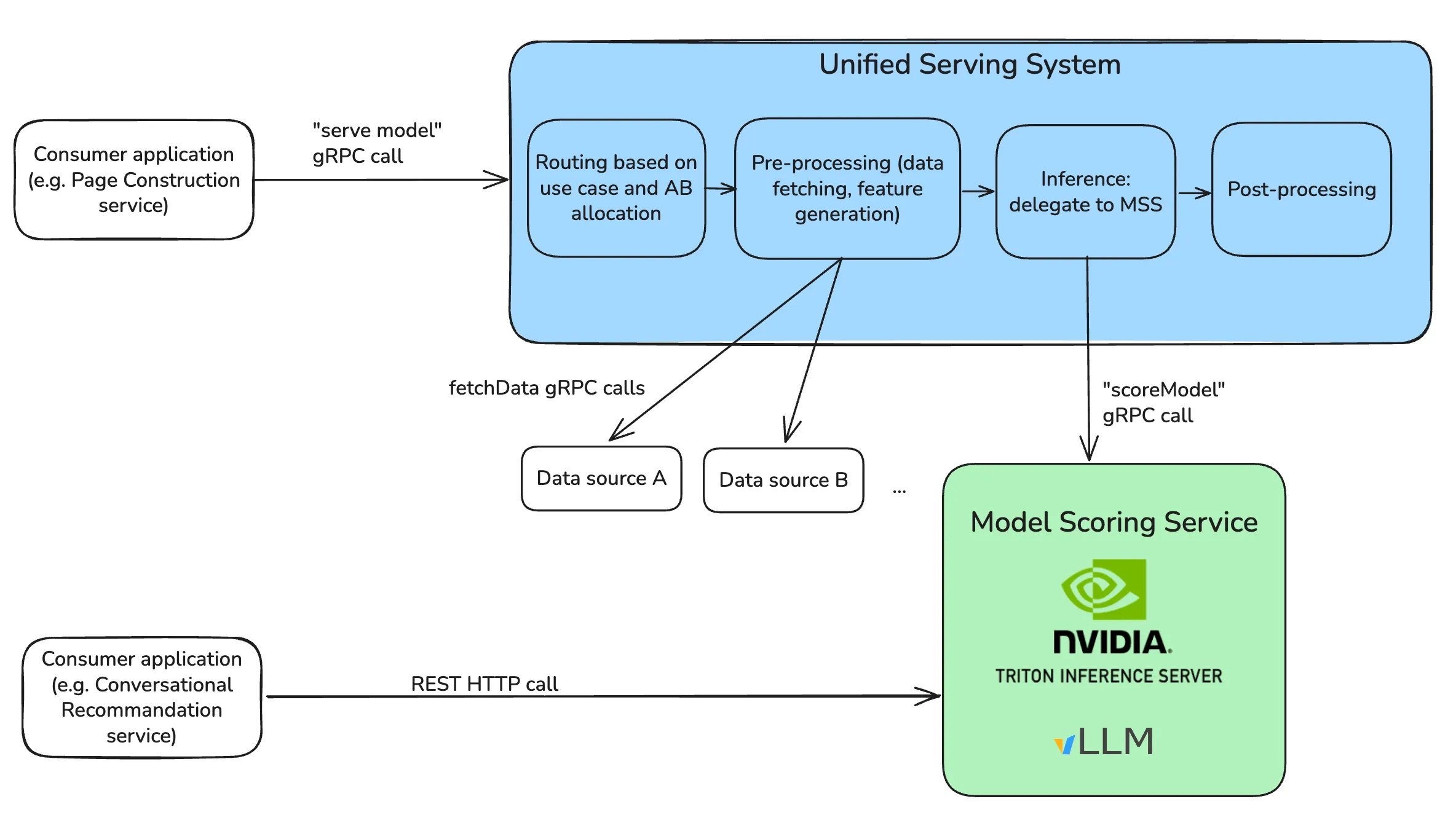
Netflix explains how it runs LLM inference in-house instead of treating hosted APIs as the only path. The platform combines its existing JVM-based serving layer, a shared Model Scoring Service, NVIDIA Triton, vLLM, OpenAI-compatible HTTP APIs, deployment controls, and unified metrics. The article is useful because it focuses on production tradeoffs: model packaging, rollout strategies, version mismatches, constrained decoding, warm startup, and operational visibility.
Scaling Verify with Wallet for Identity Verification at Uber
👉 For backend, mobile, and security engineers building compliant identity platforms
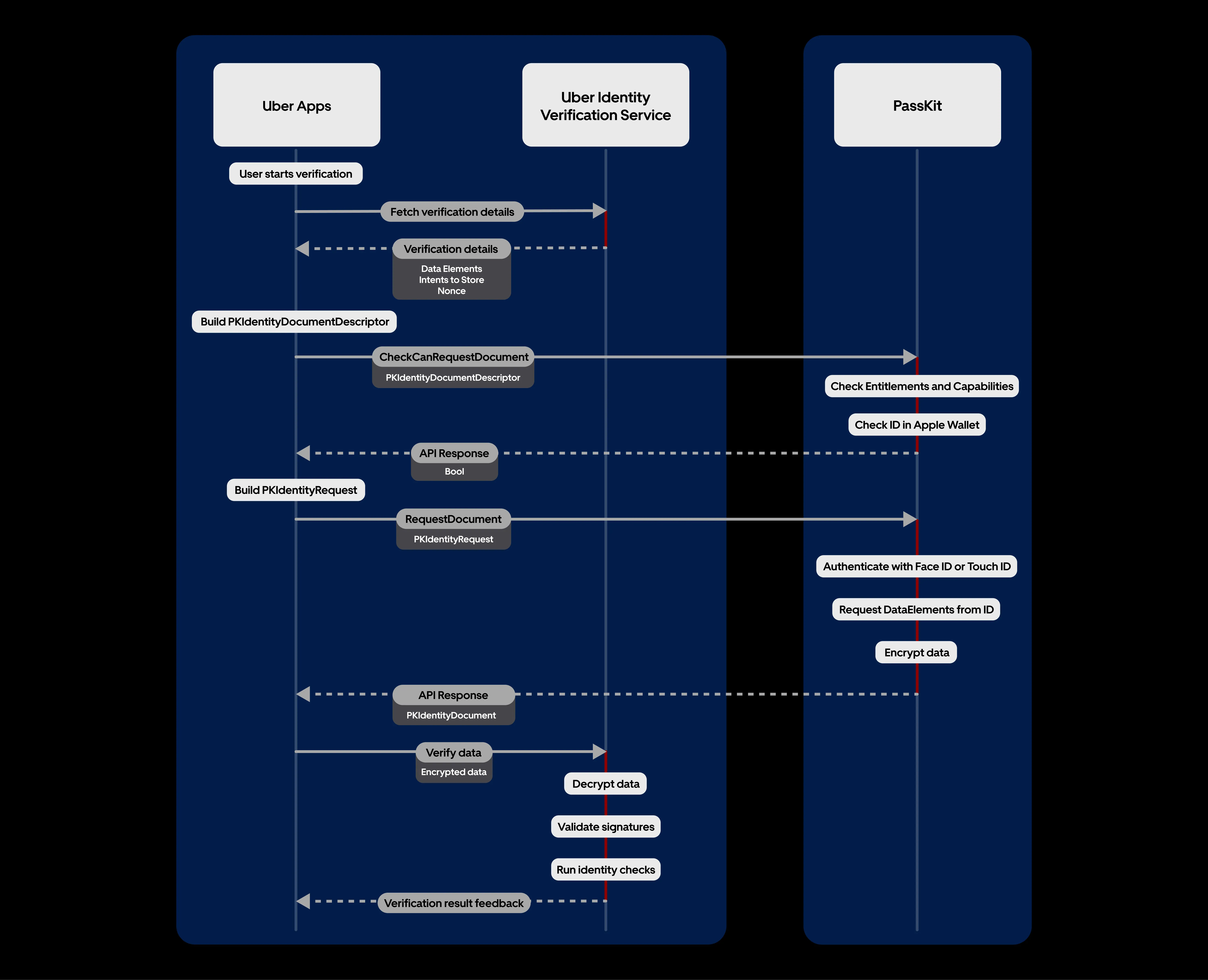
Uber explains how it integrated Apple’s Verify with Wallet into a cross-app Identity Verification Platform. The architecture uses server-side, per-use-case scoping; a platform-agnostic mapping layer; encrypted payloads; ISO/IEC 18013-5 validation; session transcripts; and certificate management. It is a concrete example of scaling privacy-preserving digital identity without turning every use case into a separate integration.
Meta’s AI Storage Blueprint at Scale
👉 For platform engineers and ML infrastructure teams building storage for large-scale AI training
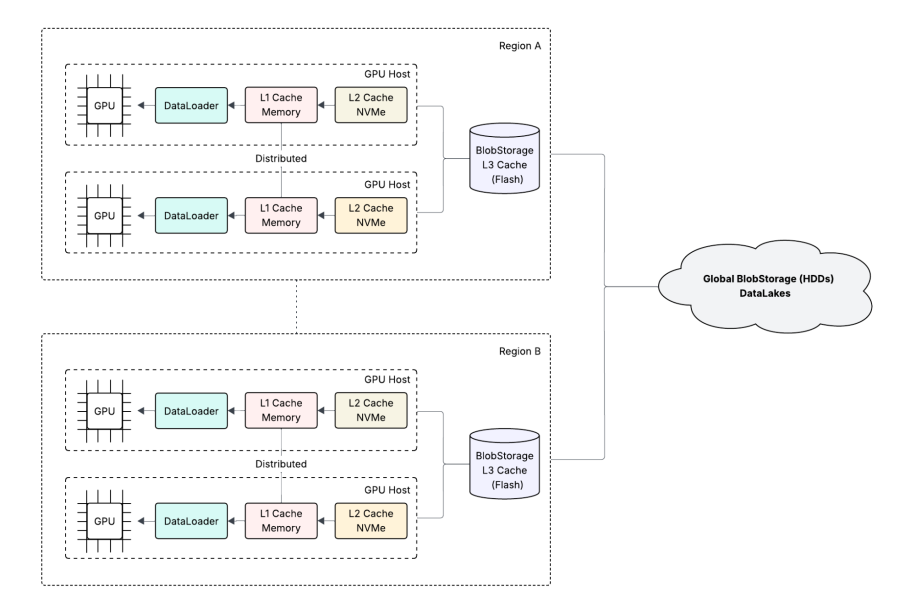
Meta shows why storage architecture has become a first-order constraint for AI training: slow or unpredictable storage fetches directly stall GPUs. The redesign simplifies metadata lookup, removes an extra dataplane hop, uses a thicker client-side layer, and adds distributed caching across GPU-adjacent and regional storage. The article is valuable because it ties low-level storage choices to model iteration speed and infrastructure cost.
Redesigning Workers KV for increased availability and faster performance
👉 For SREs and distributed-systems engineers designing globally available storage systems
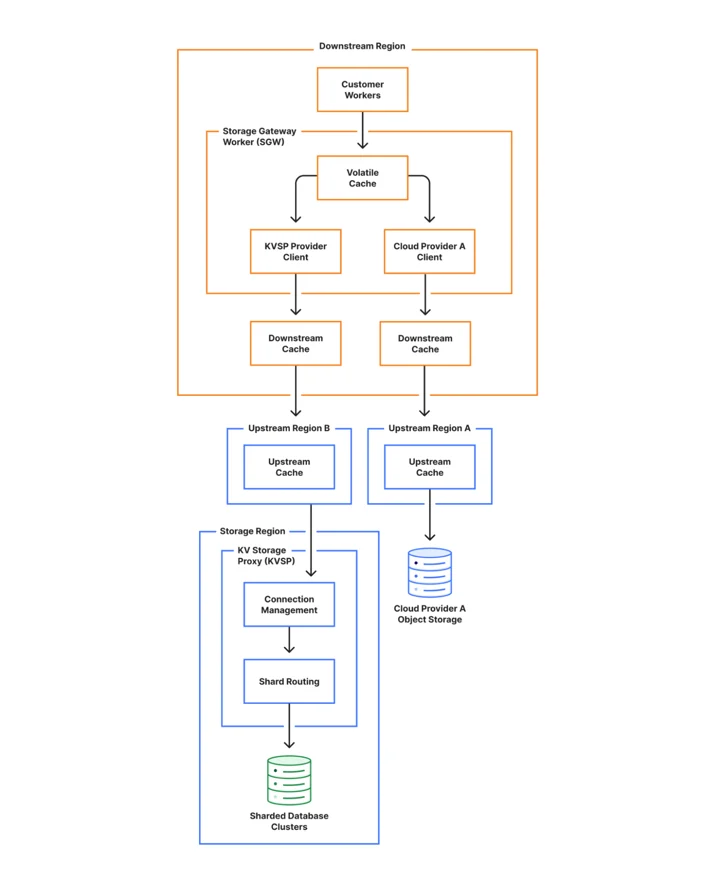
Cloudflare walks through the Workers KV redesign after a June 2025 outage exposed the risk of relying on a single third-party storage backend. The new design moves more data onto Cloudflare-operated infrastructure, adds replicated database-backed storage, uses hybrid routing for large objects, and keeps redundancy as a core reliability property. It is a practical post-incident architecture write-up about availability, consistency, cache behavior, and rollout risk.