
Weekend Reading #93


Weekend Reading: A weekly roundup of interesting Software Architecture and Programming articles from tech companies. Find fresh ideas and insights every weekend.
This week: Meta shows hardware and networking co-design inside MTIA 300, Uber explains how it made exact distinct counting work at very high cardinality, Airbnb shares how it made LLM evaluation fast enough for real iteration, and Cloudflare shows how AI-assisted review becomes useful when it is grounded in governed engineering standards.
MTIA 300: Meta’s First Training Chip with Built-in NICs and Communication-Offloading Engines
👉 For infrastructure engineers and ML platform teams working on accelerator, networking, and recommendation-model training systems
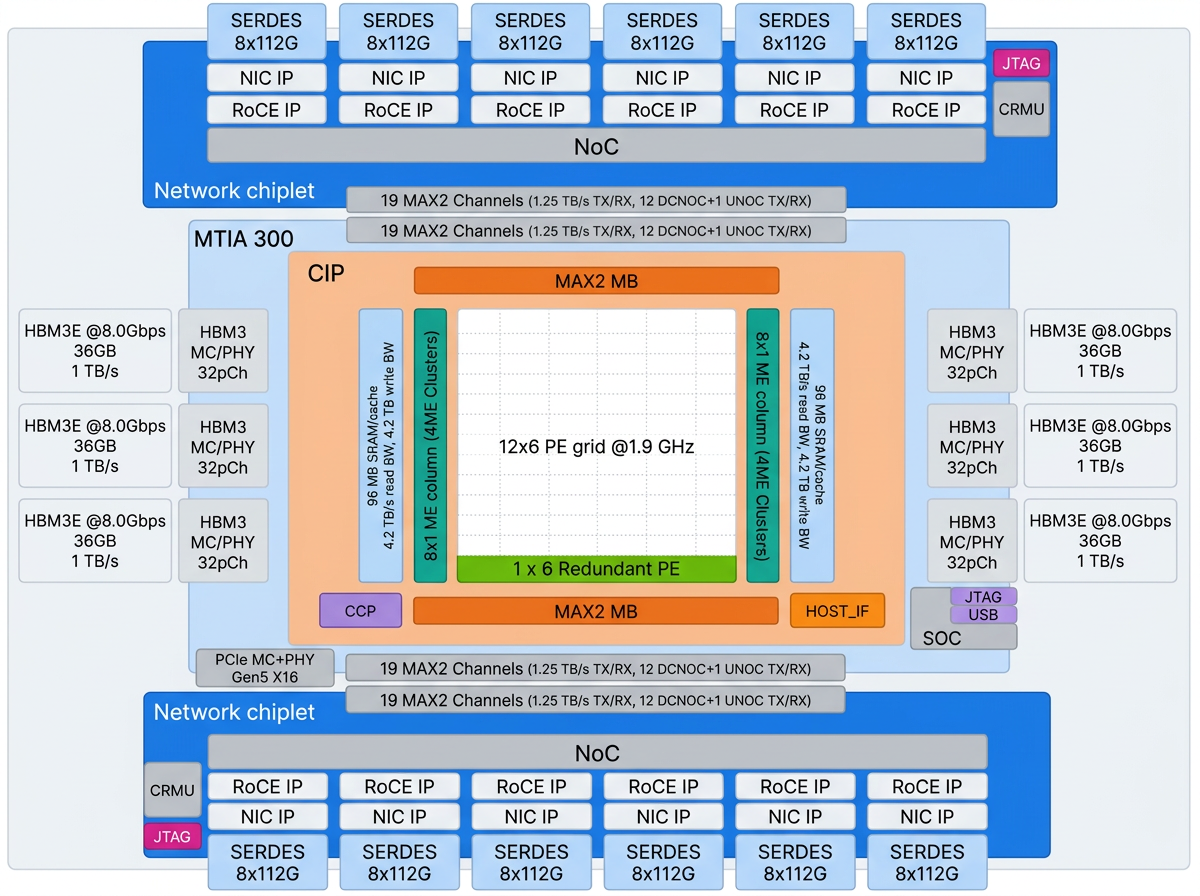
Meta introduces MTIA 300, an in-house accelerator for training and inference workloads, with networking built directly into the chip package. The architecture includes two network chiplets with twelve custom 800 Gbps RDMA NICs, providing 1.2 TB/s of total I/O bandwidth without routing through a PCIe-attached external NIC. The article is useful because it shows how recommendation-model training pushes hardware teams to treat communication as part of the accelerator design, not as a separate infrastructure layer.
Scaling Exact COUNT(DISTINCT) for High-Cardinality Non-Rollup Metrics in Distributed Data Pipelines
👉 For data engineers and analytics-platform teams computing exact metrics at large scale
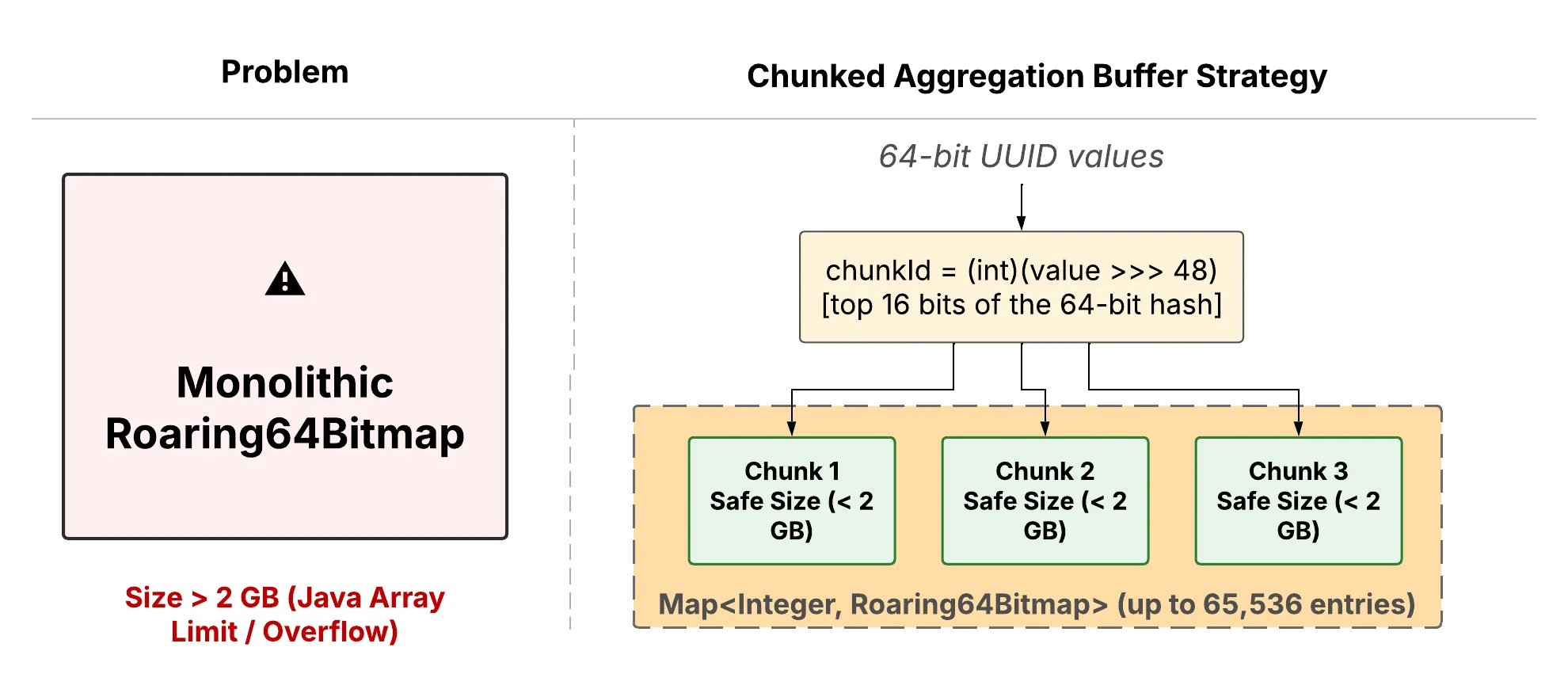
Uber explains why exact COUNT(DISTINCT) becomes difficult for non-rollup metrics such as monthly active users, quarterly retention, and cross-window engagement. At quarterly scale, Uber needed to track billions of UUID-valued identifiers, and the conventional RoaringBitmap approach hit JVM array-size limits. Their chunked aggregation buffer strategy partitions bitmap state so large exact counts can run reliably, cutting two-year backfill time by 65% on average and eliminating production out-of-memory failures after rollout.
From weeks to a day: how we made LLM evaluation fast enough to iterate on
👉 For ML engineers and platform teams building production GenAI evaluation systems
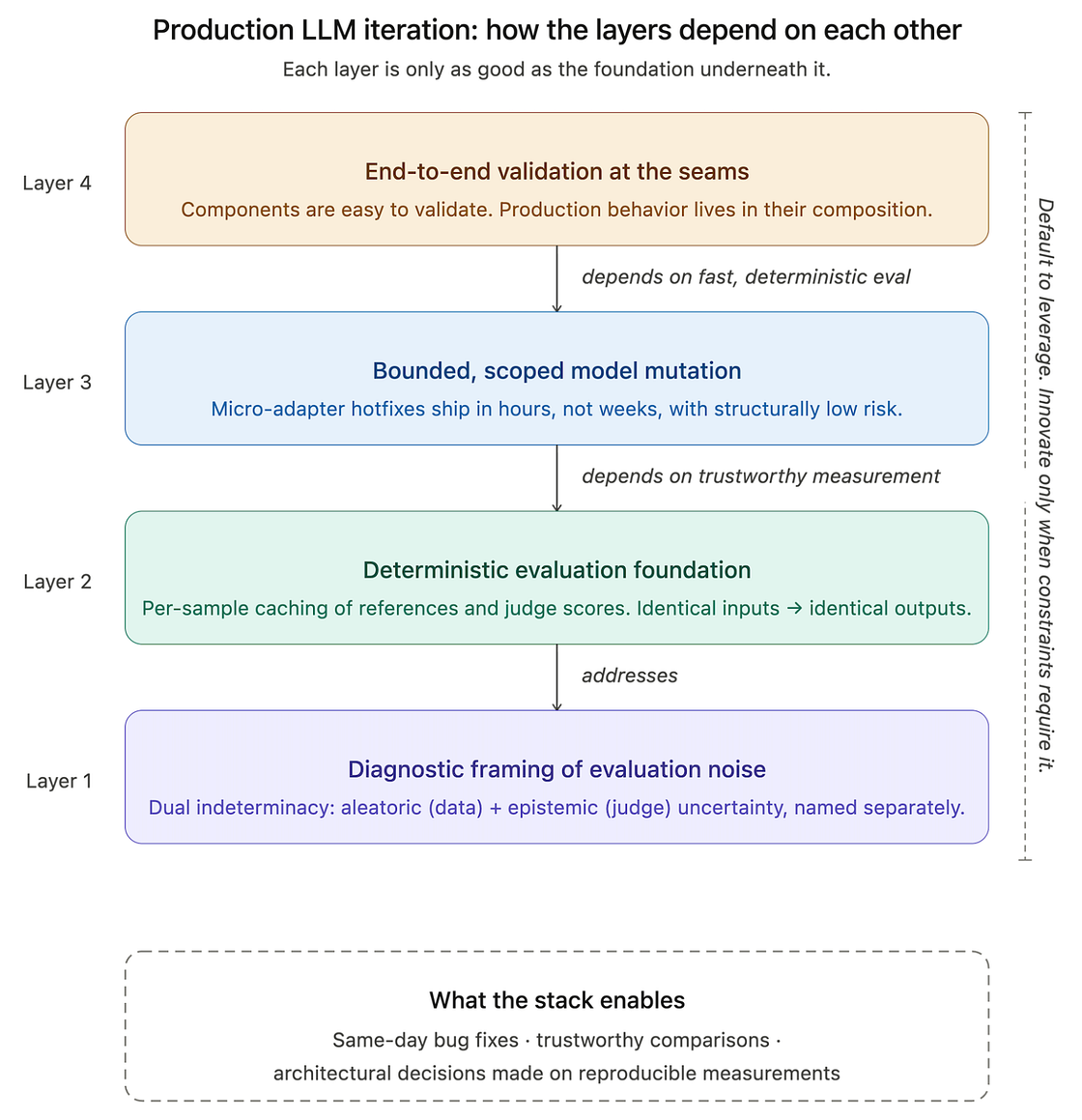
Airbnb explains how it reduced LLM evaluation from a slow, multi-week process to something fast enough for product iteration. The article focuses on evaluation noise, judge instability, reference regeneration, and end-to-end validation across the full production path. It is useful because it treats LLM evaluation as infrastructure and software engineering work, not just model scoring.
How we achieved independent deployments in a micro-frontend architecture
👉 For frontend platform engineers and architects managing micro-frontends across many teams
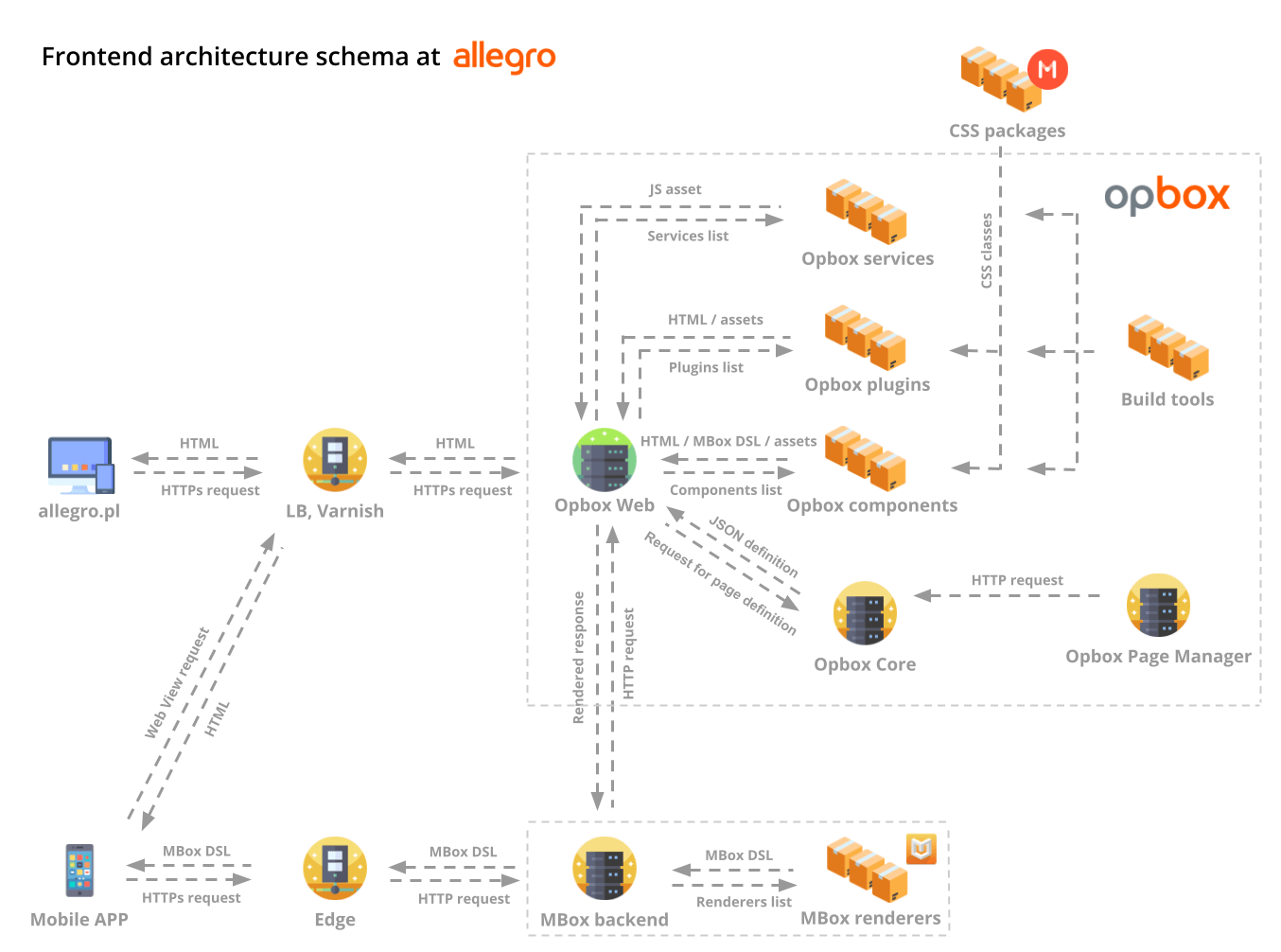
Allegro describes the path from tightly coupled frontend releases to a system where teams can deploy micro-frontend dependencies independently. The final architecture uses a Developer Portal, dependency registry, validation service, and runtime dependency management to shorten feedback loops while keeping production stability under control. The article is useful because it covers the operational trade-offs, including validation, environment constraints, memory behavior in Node.js, and rollout safety.