
Weekend Reading #100


Weekend Reading: A weekly roundup of interesting Software Architecture and Programming articles from tech companies. Find fresh ideas and insights every weekend.
This week: Anthropic redesigns code review around evidence and risk; LinkedIn combines generated data documentation with owner-maintained knowledge; Uber reduces translation-cache memory without introducing network calls; and Stripe discovers why more training data can make fraud detection worse.
How the Claude Code team does code review
👉 For engineering leaders and platform teams adopting coding agents
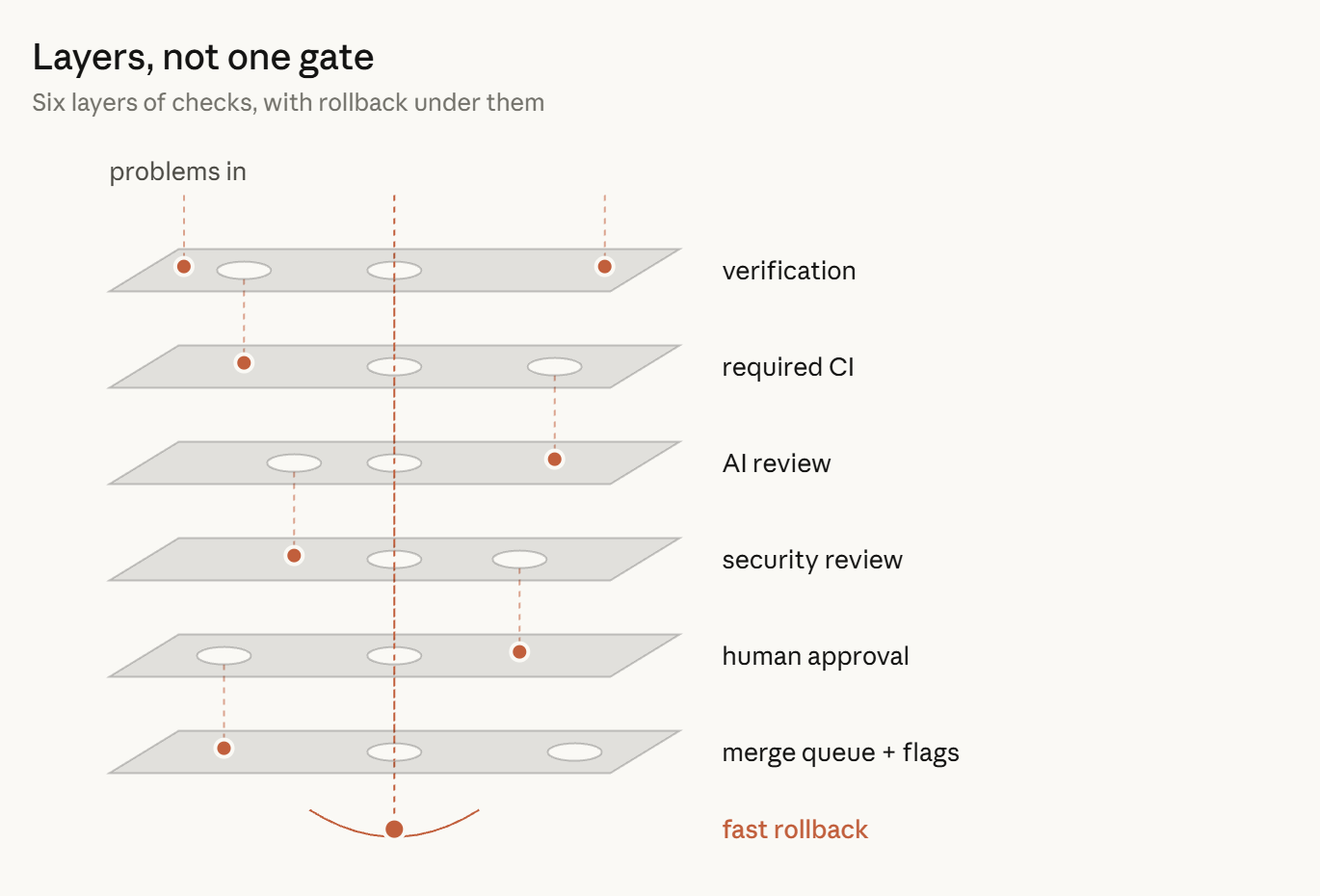
Anthropic combines automated bug and security reviews, deterministic CI, risk-based human approval, staged releases, and rollback. Past incidents become evaluation cases for the reviewer. It also tackles a less obvious failure: agents repeatedly reviewing and fixing each other’s work without converging. Round limits, narrower re-reviews, and suppression of repeated findings help contain that loop.
The useful takeaway is not to remove human review universally. Instead, measure total human effort, including recovery from mistakes, and reserve attention for consequential changes. Fewer approvals mean little if incidents increase. Teams adopting this approach should establish regression evidence and recovery mechanisms before relaxing approval requirements. Targeted codebase explanations can support shared understanding, but do not replace ownership.
Inside LinkedIn's data context layer: curating trustworthy context for humans and agents
👉 For data-platform engineers building analytics assistants
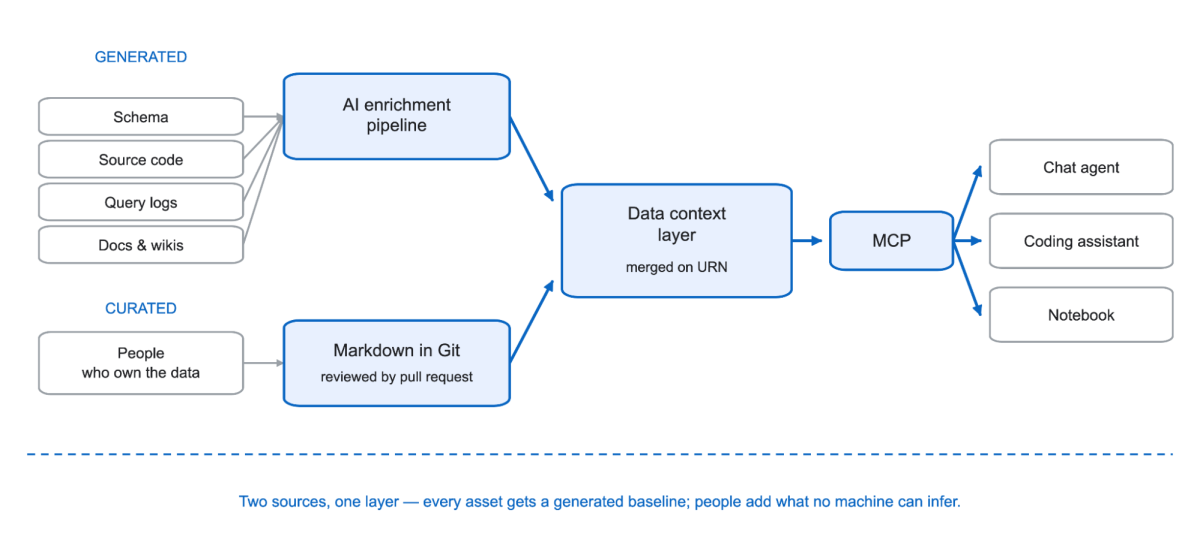
A query can execute successfully and still answer the wrong question. LinkedIn addresses this by generating dataset profiles from schemas, source code, query history, and masked samples, then combining them with owner-reviewed guidance stored in Git. Generated and curated content remain separate, so refreshes cannot overwrite corrections or business exceptions.
That separation matters more than simply collecting more context. Frequently used queries reveal conventions, but frequency alone does not make a convention correct. Human-maintained guidance records where those patterns stop applying. A navigable summary hierarchy also lets agents retrieve relevant details incrementally. For a smaller platform, start with ownership, required filters, and known limitations for critical datasets before attempting catalog-wide enrichment.
Translations at Scale: Memory Optimization Techniques That Kept Uber's P99 Under 1ms
👉 For Go developers and backend engineers optimizing large caches
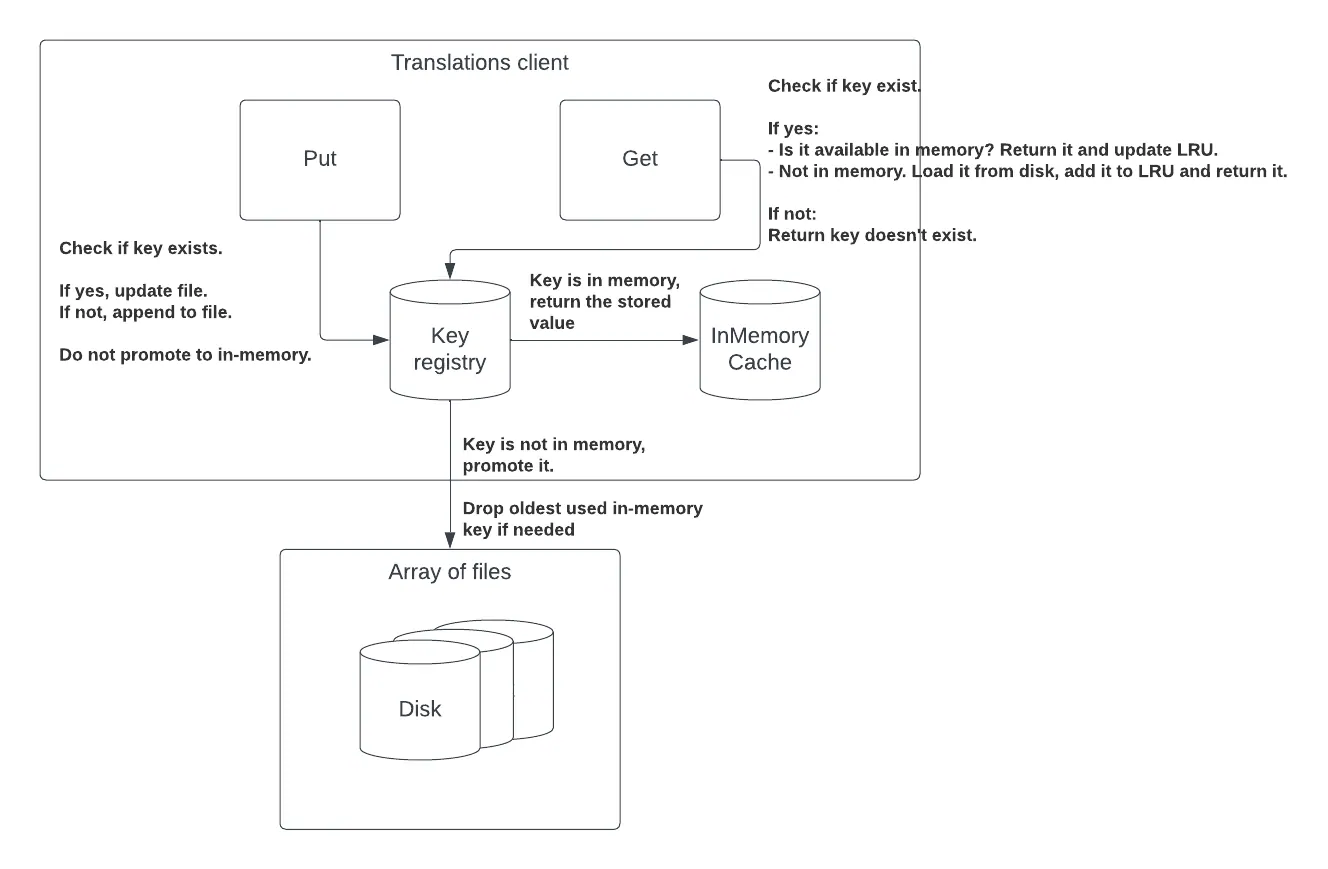
Uber first reduced garbage-collection work by simplifying its translation store’s object structure, then addressed the larger problem: most cached translations were rarely used. A hybrid design retains compact lookup metadata and hot values in memory while storing the rest on disk. Sharding limits contention, and refreshes preload recently accessed entries to avoid cold-cache latency.
In one example, translation memory fell from roughly 800 MB to 80–120 MB. The broader lesson is to distinguish object-count overhead from unnecessary data residency. Before adopting custom storage, measure the working set, refresh-time memory peaks, and miss latency. The article’s initial sync.Map analysis concerns Go versions before 1.24, so its implementation-specific conclusions should not be applied blindly to newer runtimes.
Scaling Radar: Fighting fraud with agent-assisted machine learning
👉 For ML engineers and platform teams building reliable experimentation pipelines
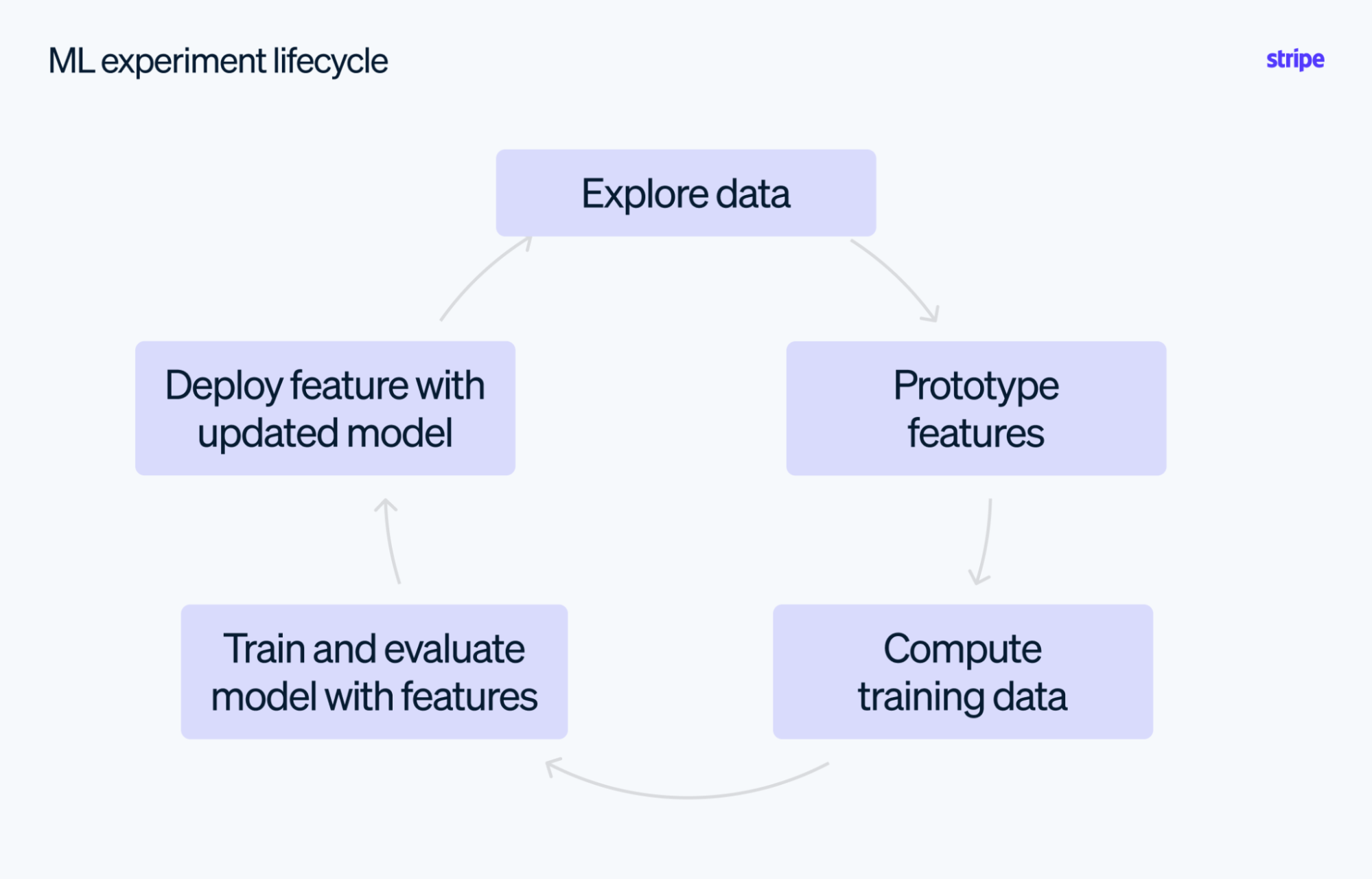
Stripe expanded fraud-model training from roughly 800 million to 11 billion transactions and reduced training time per epoch from 24 hours to 4.8 hours. But the larger dataset initially made the model worse: fraud reports arrive weeks after payments, so apparently legitimate examples contained undiscovered fraud. Removing downsampling amplified that misleading signal.
The useful lesson is that faster training and more data cannot compensate for immature labels. Evaluation must account for when outcomes become trustworthy, not just when transactions occur. Stripe also equipped agents to implement and evaluate experiments, while engineers retained hypothesis review and deployment decisions. A controlled training-configuration experiment improved recall by over 8%; that result should not be confused with a benefit from dataset expansion alone.
Related reading on bool.dev: AI Across the SDLC, Part 3: What to Build Before You Give Agents Write Access offers a more conservative counterpart to Anthropic’s approval model, emphasizing scoped identities, external policy enforcement, and deterministic verification.