
Weekend Reading #76


Weekend Reading: A weekly roundup of interesting Software Architecture and Programming articles from tech companies. Find fresh ideas and insights every weekend.
This week: Uber shows how AI agents can automate design system documentation via MCP and how real-time batching solves hot-key payment bottlenecks at scale. Airbnb shares a transformer-based model for recommending travel destinations to exploratory users. And Pinterest details how unified context-intent embeddings power their Analytics Agent — now the most widely adopted internal agent at the company.
How Uber Built an Agentic System to Automate Design Specs in Minutes
👉 Design systems engineers, design leads, and frontend developers working with component libraries at scale
https://bool.dev/l/1818
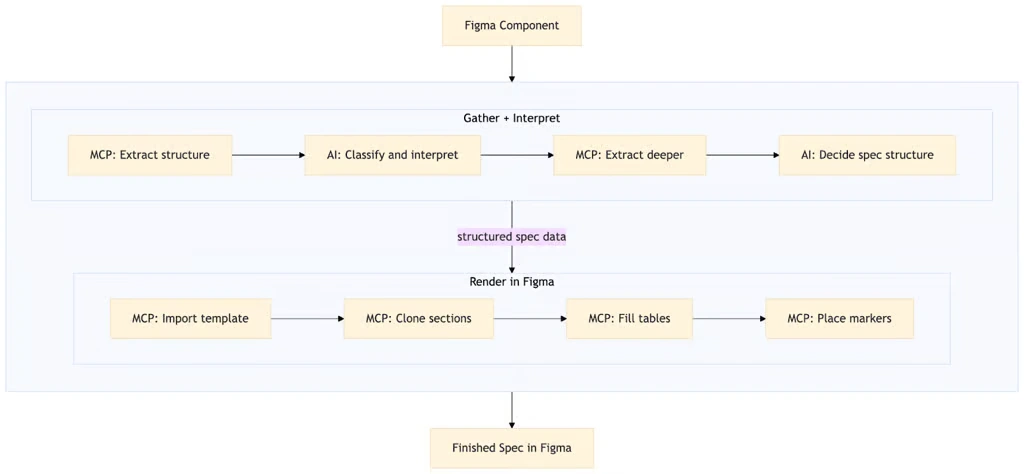
Uber's design systems team built uSpec, an open-source agentic system that connects an AI agent in Cursor to Figma via the Figma Console MCP, generating complete component specs (anatomy, API, color tokens, accessibility) in minutes instead of weeks. The entire pipeline runs locally, so no proprietary design data leaves the network.
Building High Throughput Payment Account Processing
👉 Backend engineers, payments engineers, and anyone dealing with hot-key problems in high-throughput distributed
https://bool.dev/l/1819
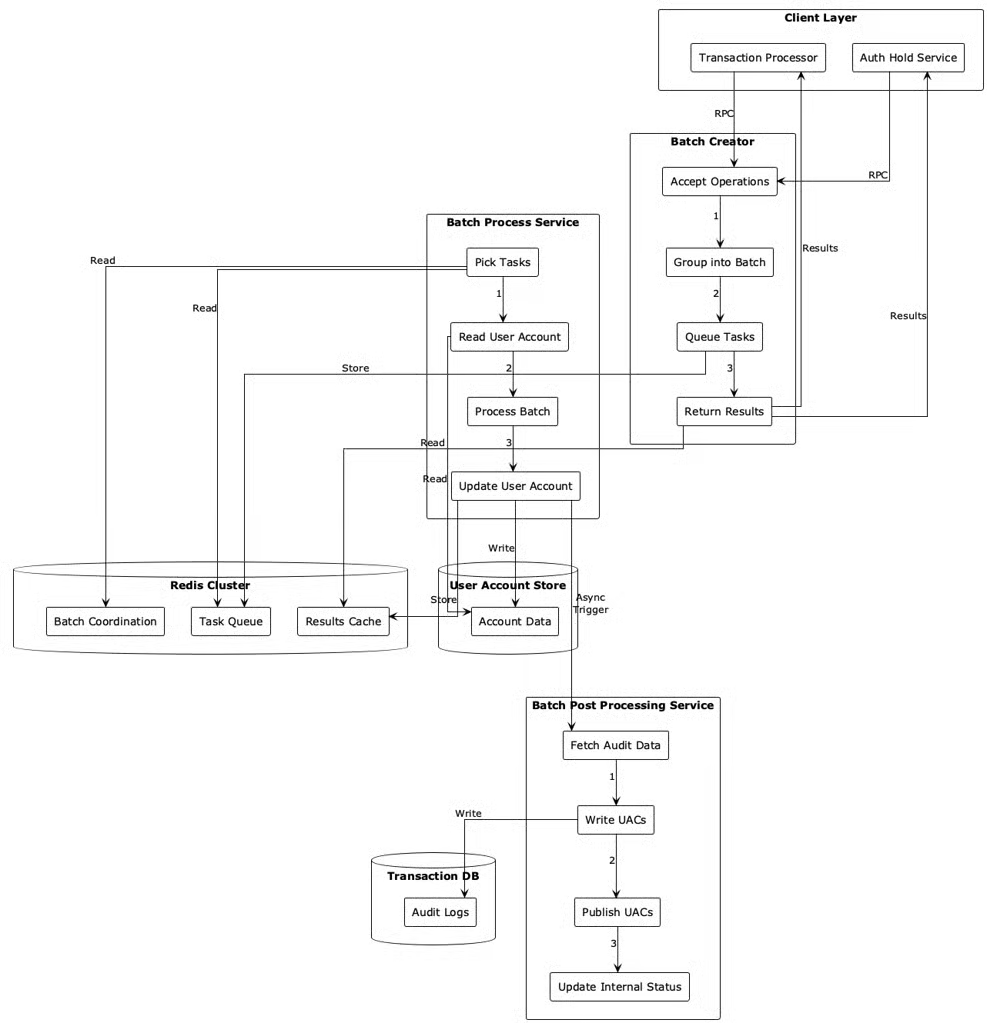
Uber details how they solved hot-key bottlenecks in their financial platform by introducing 250ms real-time batching that amortizes data store round-trip times, pushing throughput from 3-4 to over 30 update operations per second per user account while maintaining SOX-compliant audit trails and strict consistency guarantees.
Recommending Travel Destinations to Help Users Explore
👉 ML engineers, recommendation systems engineers, and product teams working on personalization for exploratory user journeys
https://bool.dev/l/1820
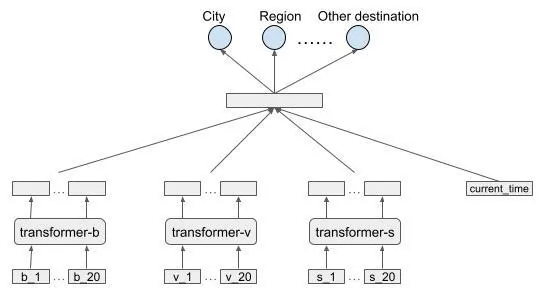
Airbnb built a transformer-based destination recommendation model that predicts where users want to travel by combining booking history, search activity, and contextual signals like seasonality. The model balances active and dormant user behaviors and uses multi-task learning to achieve richer geolocation understanding, driving measurable booking gains through autosuggest and re-engagement emails.
Unified Context-Intent Embeddings for Scalable Text-to-SQL
👉 Data platform engineers, analytics engineers, and teams building LLM-powered data tools or internal analytics agents
https://bool.dev/l/1821
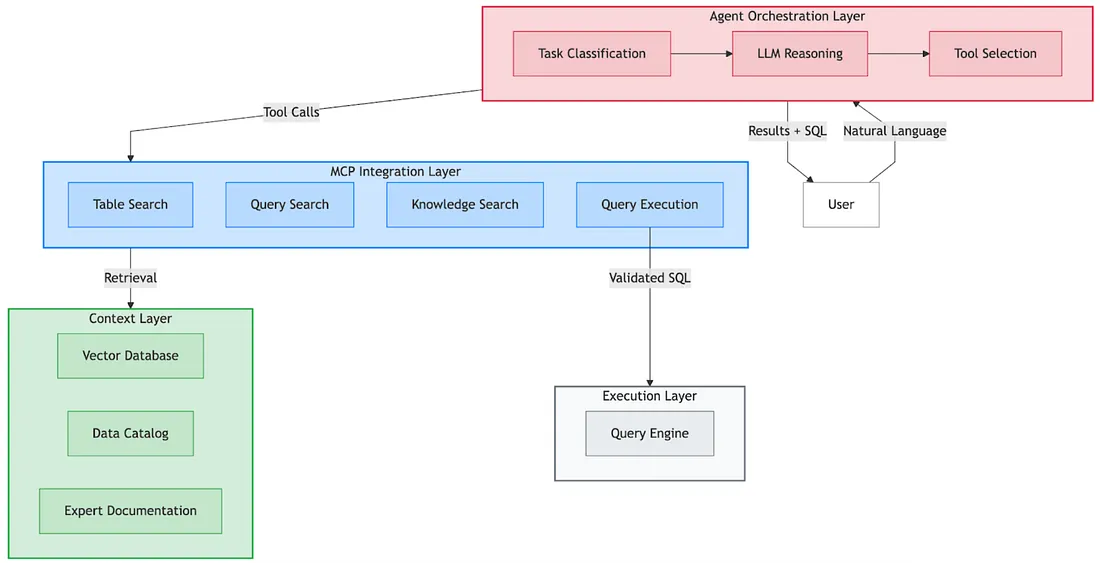
Pinterest evolved its Text-to-SQL system into a full Analytics Agent by encoding historical analyst queries into semantic embeddings that capture analytical intent, not just SQL syntax. Combined with governance-aware ranking and validated structural patterns from query history, the agent became Pinterest's #1 internal tool, covering 40% of their analyst population within two months of launch.