
Weekend Reading #78


Weekend Reading: A weekly roundup of interesting Software Architecture and Programming articles from tech companies. Find fresh ideas and insights every weekend.
This week: a comprehensive .NET desktop development interview guide covering WinUI 3, MAUI, and Avalonia. Lyft goes beyond A/B testing, using surrogates and region splits to measure long-term marketplace effects. Airbnb shares how COVID broke their forecasting models and the Bayesian architecture they built to survive the next shock. And Meta reveals the ML behind Friend Bubbles, blending social closeness models with content signals to power social discovery on Facebook Reels.
Part 11: Desktop Development – C# / .NET Interview Questions and Answers
👉 For .NET developers building desktop apps

A deep guide to modern .NET desktop development: WinUI 3 vs WPF vs MAUI, MVVM with CommunityToolkit, drag-and-drop, EF Core with SQLite, MSIX packaging, and auto-update strategies.
Beyond A/B Testing: Using Surrogacy and Region Splits to Measure Long-Term Effects in Marketplaces
👉 For Data scientists, experimentation engineers, and product managers working with marketplace or two-sided platform experiments
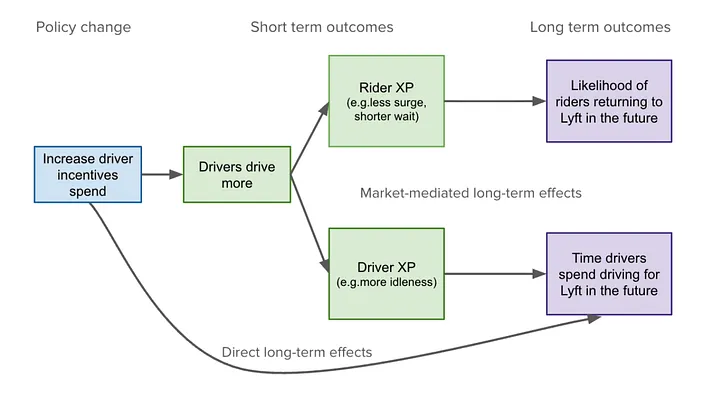
Lyft explains why traditional A/B tests fail in two-sided marketplaces due to network interference effects, and how they combine surrogacy methods with region-split experiments to measure long-term treatment effects that switchback tests can't capture.
What COVID Did to Our Forecasting Models (and What We Built to Handle the Next Shock)
👉 For Data scientists, ML engineers, and finance/analytics teams building forecasting systems that need to survive structural breaks
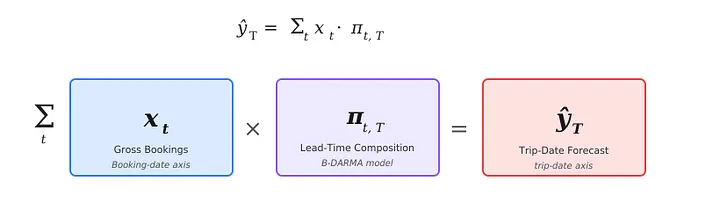
Airbnb describes how the pandemic disrupted its forecasting models by reshaping lead-time compositions (the gap between booking and travel dates) and how it built a two-part Bayesian architecture that separates gross volume from lead-time distribution, making forecasts resilient to future structural shocks.
Friend Bubbles: Enhancing Social Discovery on Facebook Reels
👉 ML engineers, recommendation systems engineers, and product teams working on social features in content platforms
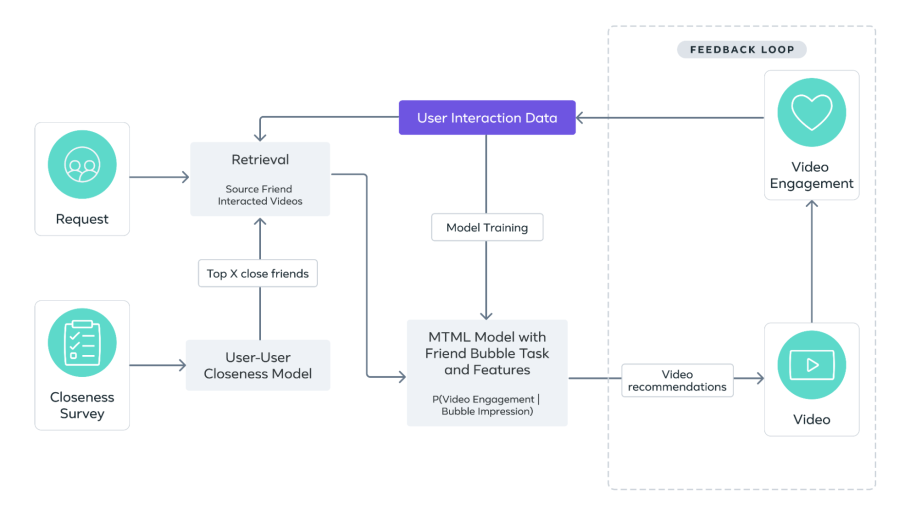
Meta details the ML architecture behind Friend Bubbles in Facebook Reels, a feature that surfaces Reels your friends have liked, using two complementary closeness models (survey-based and interaction-based) to identify whose reactions matter most. The system creates a feedback loop in which social discovery drives engagement, which in turn strengthens recommendations.