
Weekend Reading #82


Weekend Reading: A weekly roundup of interesting Software Architecture and Programming articles from tech companies. Find fresh ideas and insights every weekend.
This week: featuring a beginner-friendly LLM explainer, Uber's Tarot platform solving Multiple Knapsack optimization for incentive allocation at scale, Airbnb's Skipper embedded workflow engine for durable execution without external dependencies, and Lyft's end-to-end mapping system for smarter pickups in gated communities.
What Is a Large Language Model (LLM)?
👉 For junior developers, students, and anyone who wants to understand how LLMs actually work
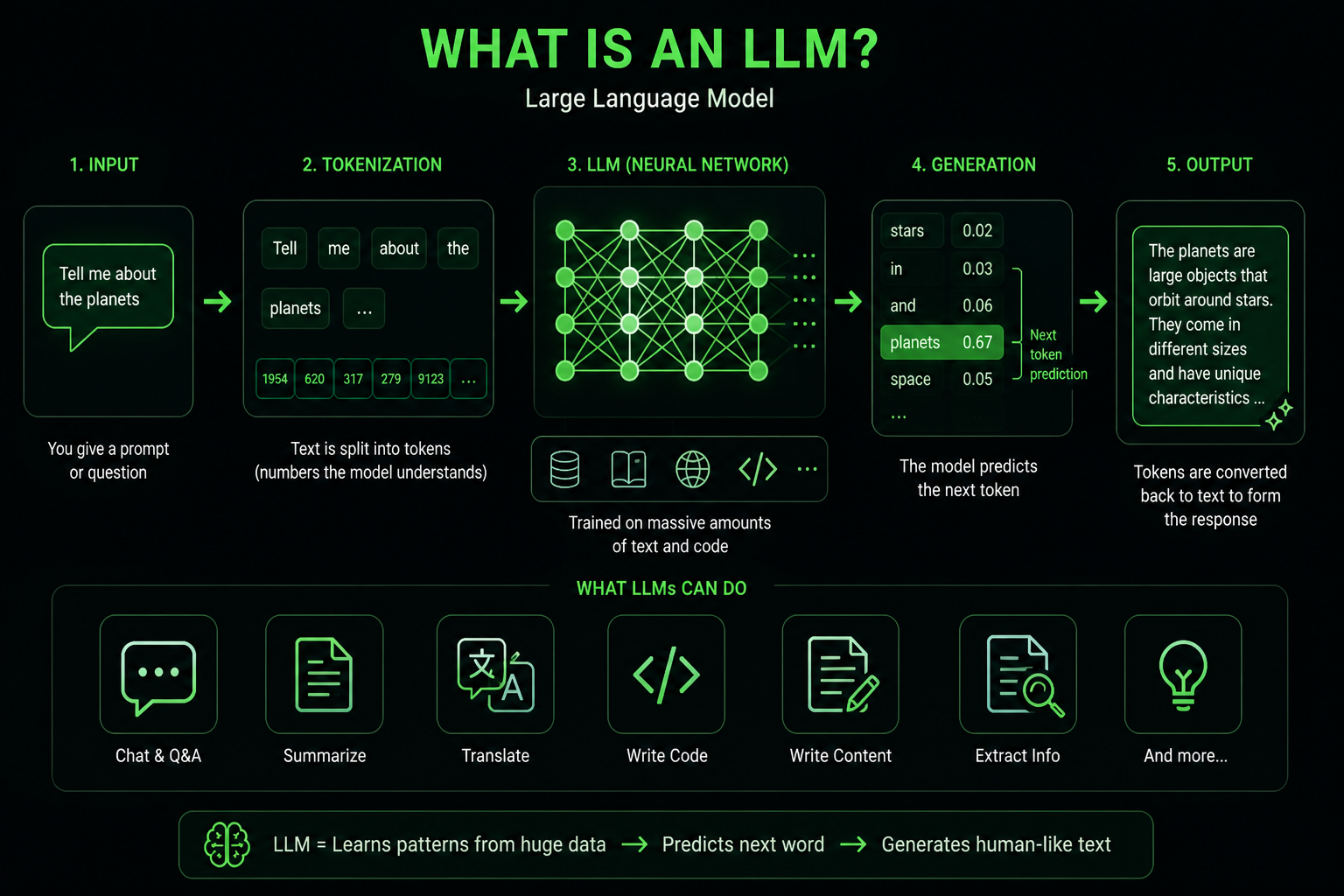
A beginner-friendly guide that explains what LLMs are, how they learn patterns from data, what tokens and context windows mean, and where LLMs shine vs. where they fall short. Written for engineers who use tools like ChatGPT and Copilot daily but want to understand what's actually happening under the hood.
Beyond Prediction: Solving the Multiple Knapsack Problem at Scale: How Uber Optimizes Incentives
👉 For backend engineers, optimization engineers, and anyone working with budget allocation, resource distribution, or constraint solving at scale
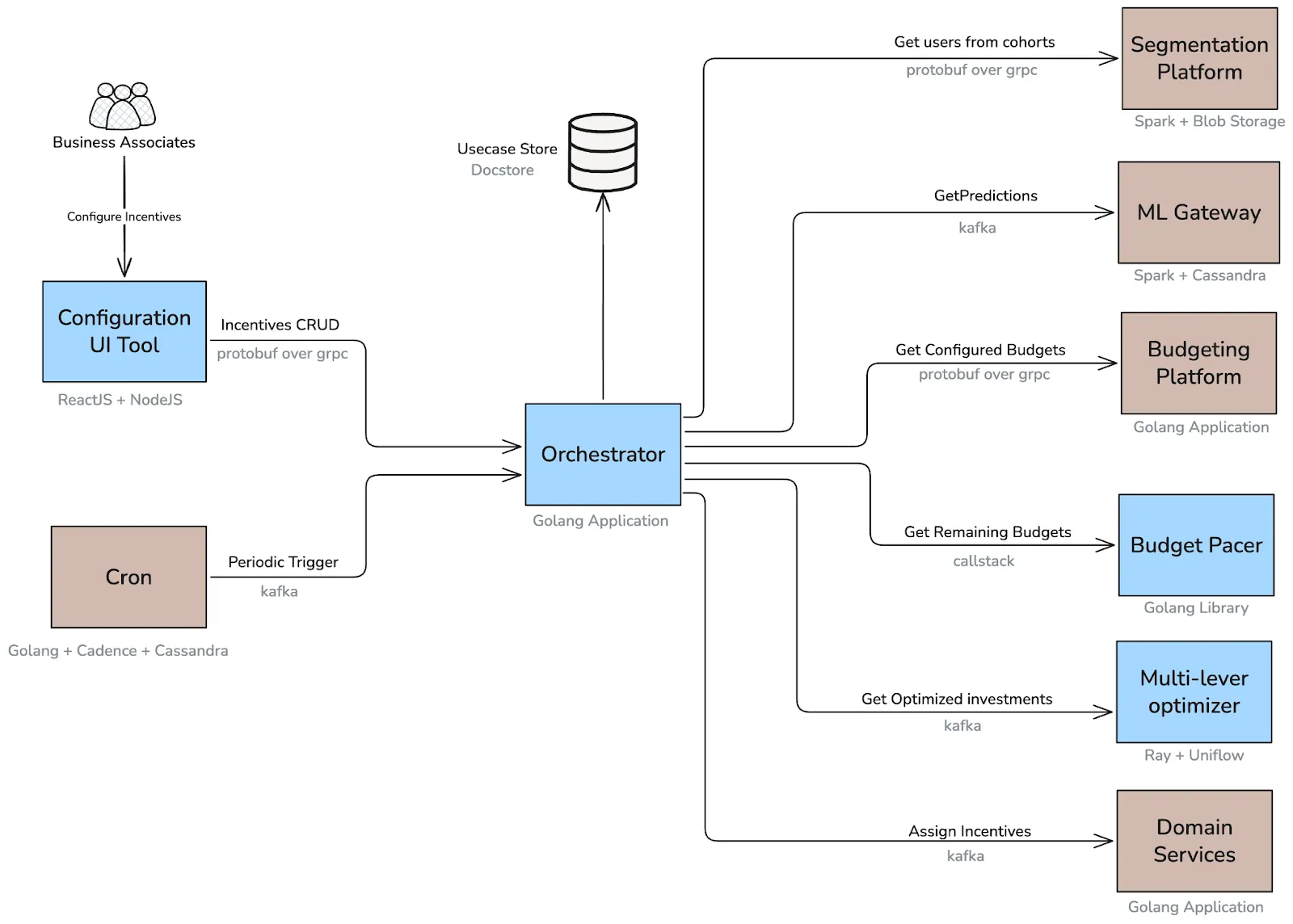
Uber introduces Tarot, their internal targeting platform that treats incentive allocation as a massive Multiple Knapsack Problem. The system combines uplift models with a production-grade constraint solver to distribute millions of user incentives across teams while adhering to strict quarterly budgets, moving beyond simple heuristics to real NP-hard optimization.
Skipper: Building Airbnb's Embedded Workflow Engine
👉 For backend engineers, platform engineers, and anyone building durable execution or multi-step workflow systems
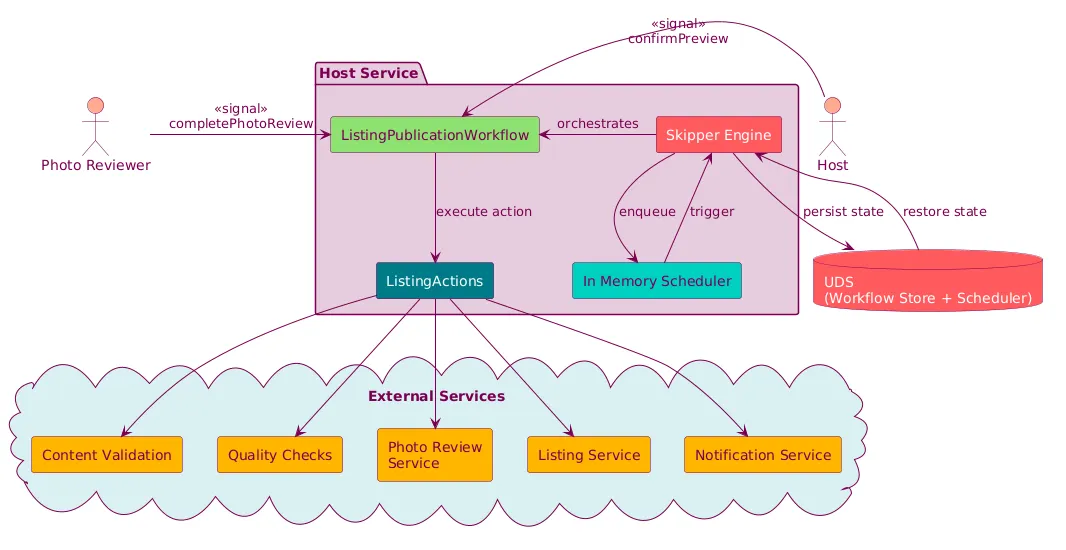
Airbnb built Skipper, a lightweight workflow engine that embeds directly into services as a library, solving durable execution without external orchestration clusters or cloud dependencies. Workflows read like plain Java/Kotlin classes with domain logic in one place, handling crash recovery, retries, and partial failures out of the box across insurance claims, payments, and media processing.
How We Built a Smarter Pickup Experience for Gated Communities
👉 For mapping engineers, mobile engineers, product engineers, and anyone working on real-world location problems in ride-sharing or delivery platforms
Lyft's Mapping team built an end-to-end system that actually understands gated communities — from an algorithm that generates gate area shapes and detects entrances, to smarter pickup spot recommendations, driver routing to the correct gate, and a flow that lets riders share gate codes so drivers can get through. The approach goes beyond gates into a broader vision of encoding real-world physical constraints (road closures, construction, barriers) into the map itself.