
Weekend Reading #94


Weekend Reading: A weekly roundup of interesting Software Architecture and Programming articles from tech companies. Find fresh ideas and insights every weekend.
This week: bool.dev gives software engineers a practical overview of DefenseTech and MilTech systems; Google explains how to evaluate AI coding agents with focused behavioral tests; Meta shares an agent architecture that preserves expert organizational knowledge; and Allegro shows how LLM-as-a-judge pipelines can evaluate search relevance at scale.
DefenseTech: Overview of the MilTech industry in IT
👉 For software engineers and architects exploring DefenseTech, MilTech, autonomous systems, and battlefield software

A practical overview of MilTech and DefenseTech for software engineers, covering drones, AI, autonomy, electronic warfare, edge computing, C2 systems, tech stacks, major industry players, development constraints, and current trends shaped by the war in Ukraine.
The Anatomy of Harness Engineering: How to Evaluate, Iterate, and Guard AI Coding Agents
👉 For platform engineers and AI tooling teams building reliable coding-agent systems
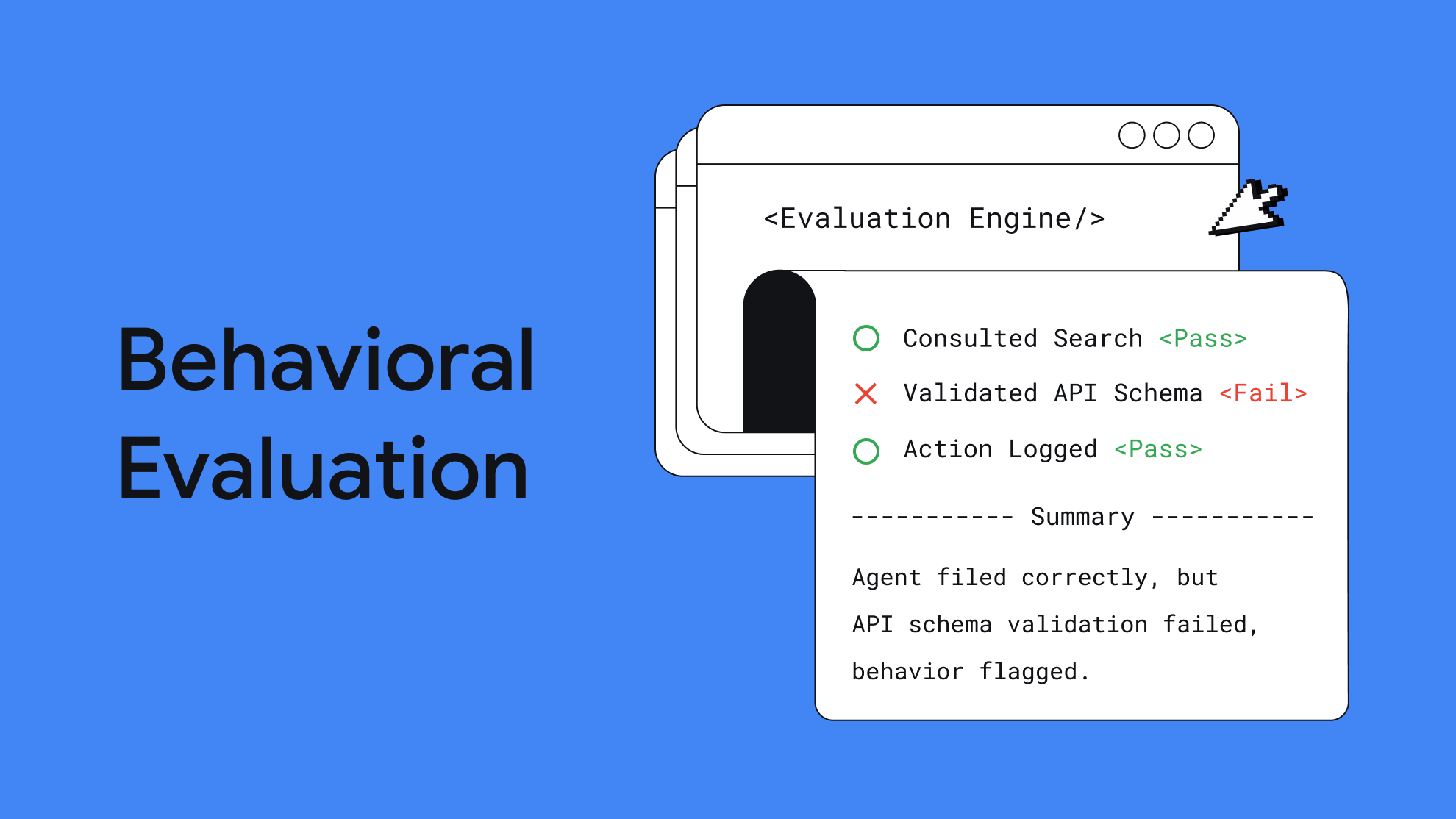
Google explains why broad end-to-end benchmarks are not enough when developing agentic coding systems. The article argues for behavioral evaluations: small, targeted checks that verify intermediate actions, tool use, file edits, and expected workflow steps. It helps teams debug regressions and iterate on prompts, models, and harness logic without waiting for slow benchmark cycles.
An Organizational Second Brain: Building an AI That Learns From Experts
👉 For platform engineers and technical leaders building AI systems around expert knowledge
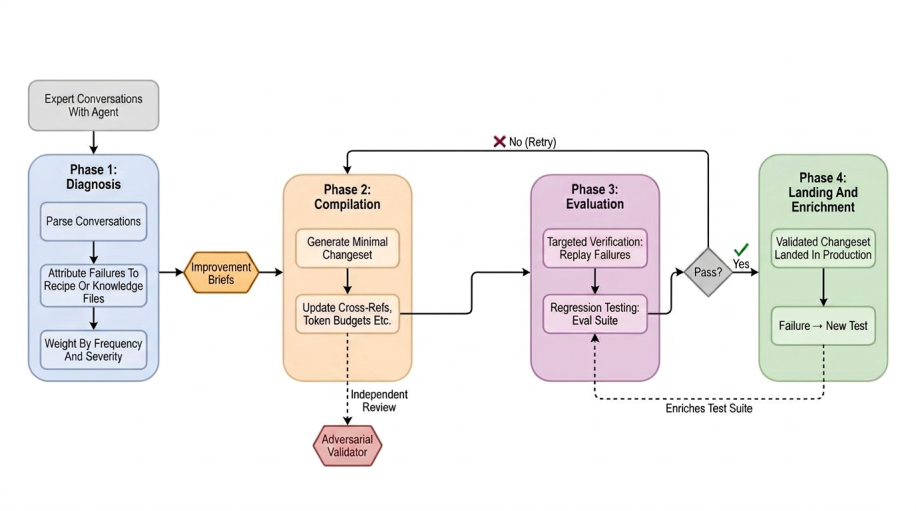
Meta describes an AI agent architecture that separates knowledge, reasoning procedures, evaluation, and improvement loops. Expert feedback becomes structured, validated knowledge updates rather than one-off chat corrections or model retraining work. The article is valuable because it treats enterprise AI as a maintainable system: auditable knowledge files, composable recipes, regression tests, and controlled self-improvement.
Automating Search Relevance Assessment at Scale with LLM-as-a-Judge
👉 For search engineers, ML platform teams, and product engineers measuring relevance quality
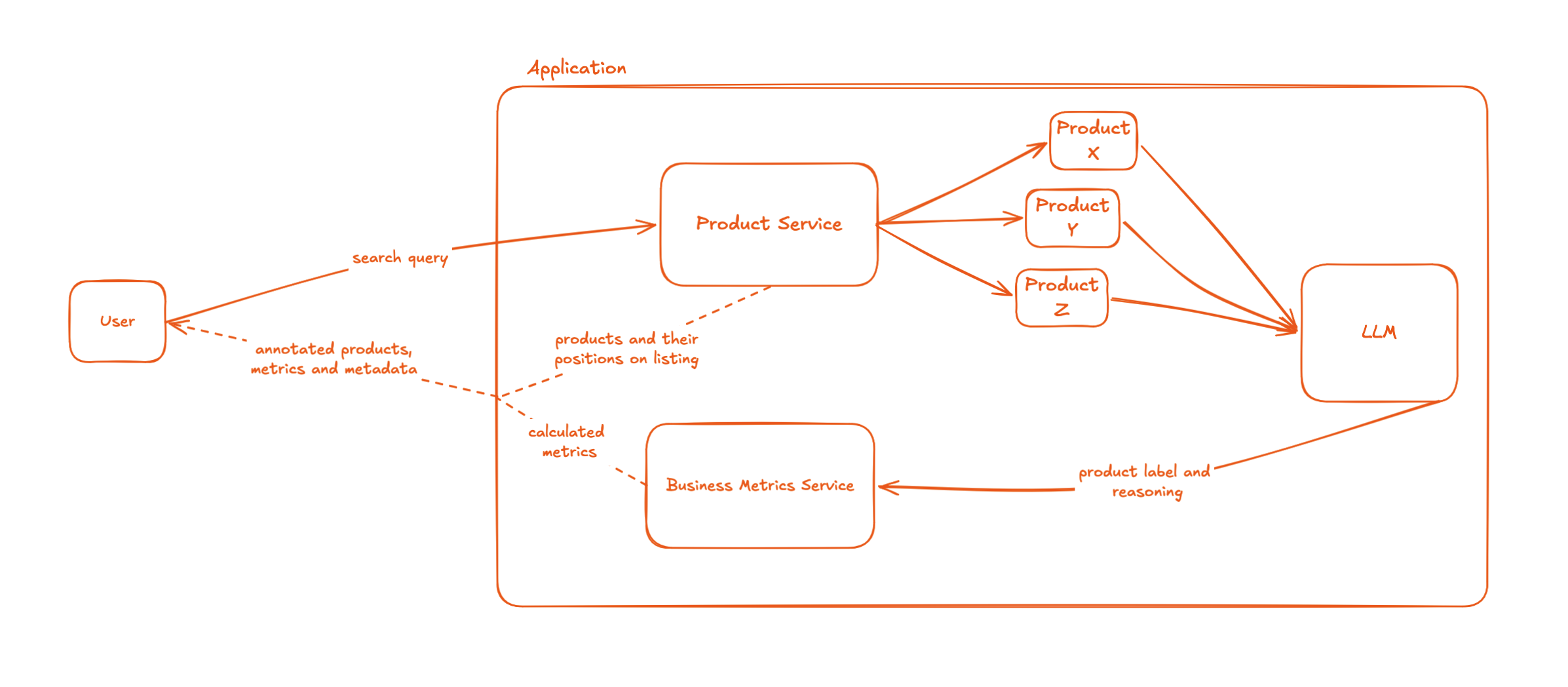
Allegro describes an automated search relevance evaluation framework that uses LLM-as-a-judge scoring on production search data. The system supports both on-demand annotations and batch evaluation, then turns semantic relevance labels into business metrics such as position-aware NDCG. The practical value is the operational design: one shared pipeline handles real-time and batch paths while balancing cost, quality, parsing reliability, and multilingual model behavior.