
Weekend Reading #95


Weekend Reading: A weekly roundup of interesting Software Architecture and Programming articles from tech companies. Find fresh ideas and insights every weekend.
This week: bool.dev examines seven ways AI can weaken the software delivery lifecycle; Canva demonstrates adaptive backpressure for queue workers; Uber prevents cascading retry storms by propagating error ownership; and JetBrains compares four architectures for working with WSL projects.
AI Across the SDLC, Part 1: Seven Ways AI Breaks Your Delivery Pipeline
👉 For engineering leaders, platform teams, and developers introducing AI throughout the software delivery lifecycle
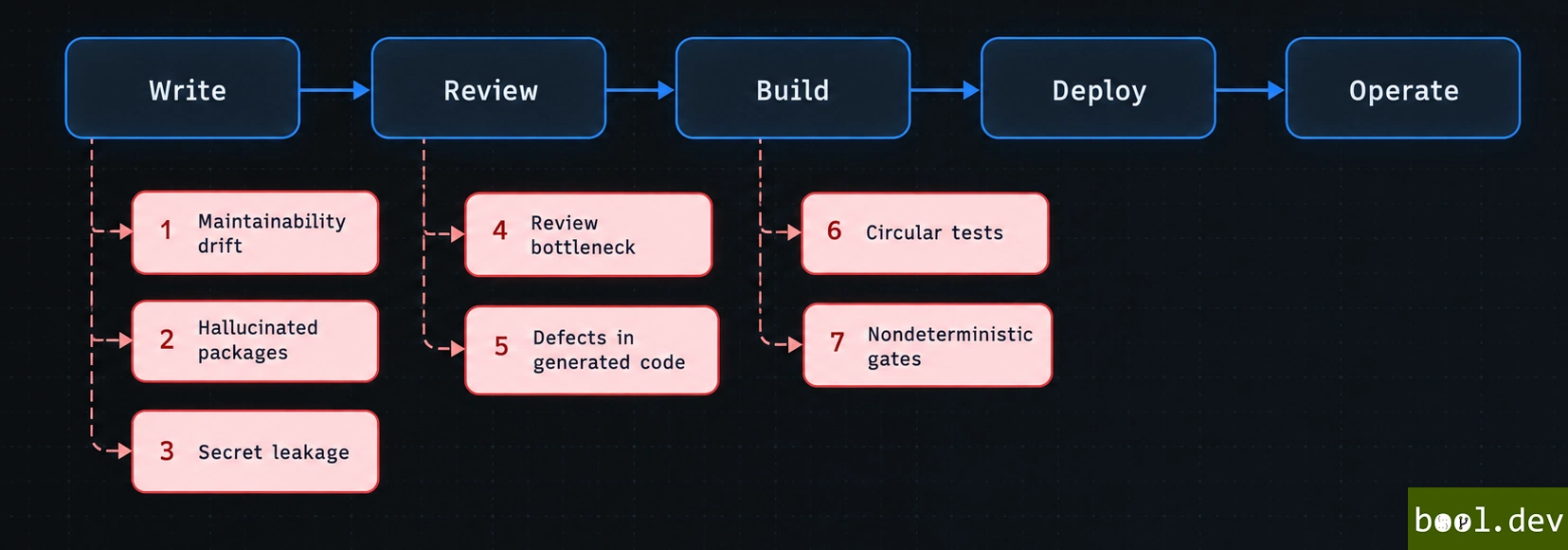
bool.dev examines seven failure modes emerging around AI-assisted development: declining maintainability, hallucinated dependencies, leaked secrets, review bottlenecks, insecure output, tests that repeat implementation mistakes, and non-reproducible CI decisions. The evidence includes an 81% increase in duplicated code blocks, a 441% increase in median pull-request review time, and security weaknesses in roughly a quarter of analyzed AI-generated Python and JavaScript snippets. The article recommends deterministic scanners, independent specification tests, dependency verification, smaller changes, and complete audit records for AI-based CI checks.
Worker Backpressure (Part 1)
👉 For backend engineers and SREs operating asynchronous workers and message queues
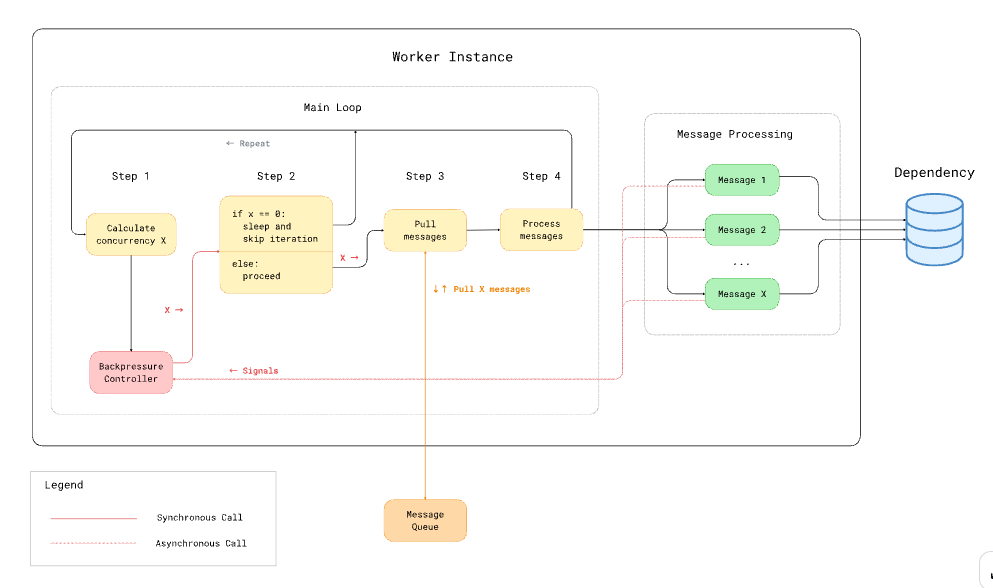
Canva added an adaptive feedback loop to its shared queue library that reduces worker concurrency when dependencies start failing and restores it automatically after recovery. During a 32.5-hour overload, the protected fleet completed roughly 63 million messages while only 22 reached the dead-letter queue; Canva estimates that an unprotected fleet could have produced around 16,000. The article includes architecture diagrams, production dashboards, operational results, and a useful comparison with circuit breakers and exponential backoff.
How Uber Protects Against Retry Storms
👉 For platform engineers and SREs protecting large microservice call graphs from cascading failures
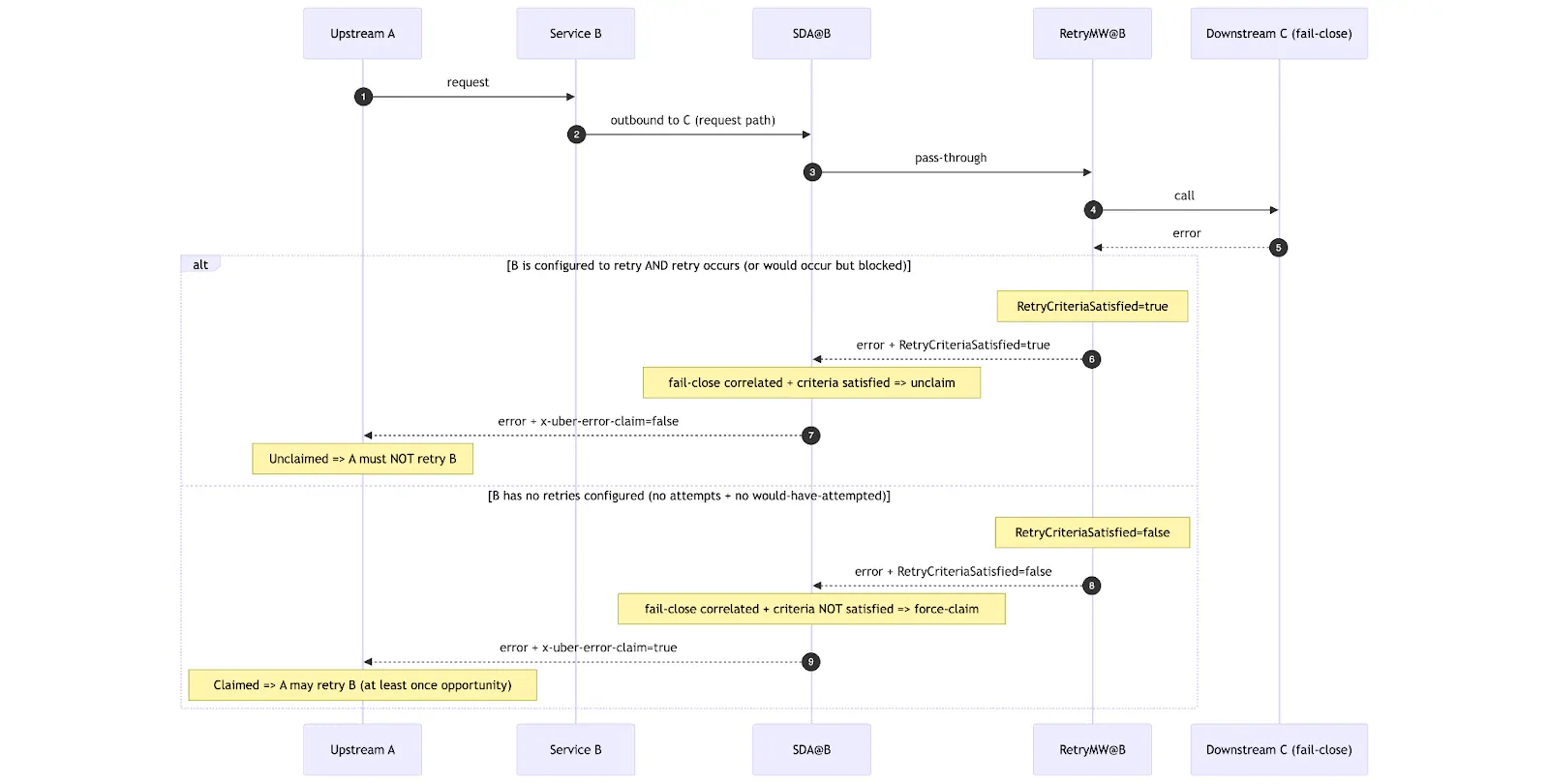
Uber’s service mesh distinguishes services that originate errors from services that merely propagate them, allowing retries only where they might succeed. During a major degradation, this error-ownership mechanism prevented an estimated 9.5 million unnecessary requests. Uber reduced the maximum retry-storm radius across its user-facing APIs from 25 service hops to three, with call-chain, sequence, and decision-flow diagrams explaining the implementation.
The Evolution of WSL Support in JetBrains IDEs
👉 For developer-platform engineers designing local and remote development environments
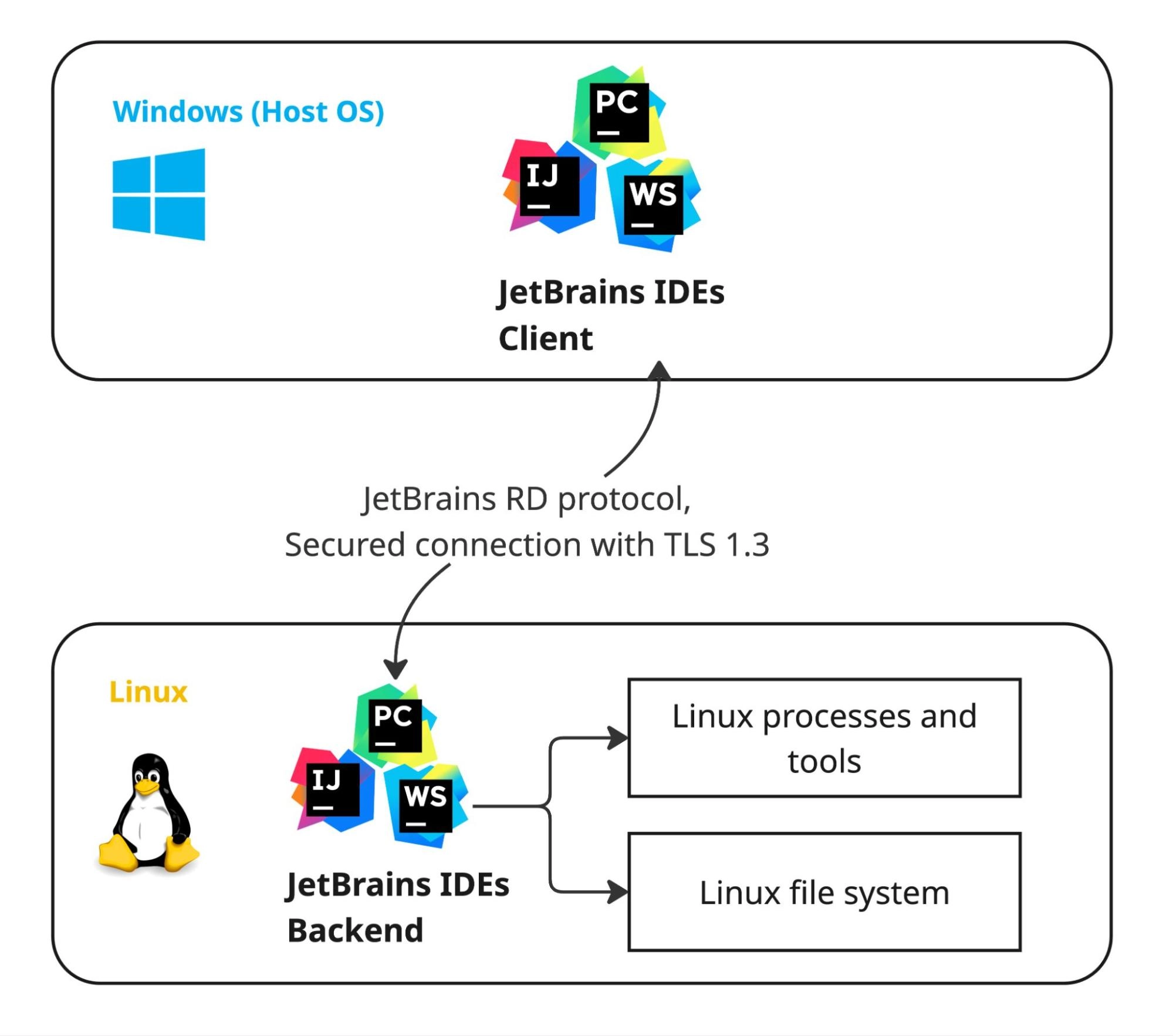
JetBrains compares four approaches to operating a Windows IDE against projects inside WSL: direct 9P access, remote development, WSLg, and its new Native mode. Native mode keeps the interface on Windows while a lightweight IJent agent handles files and processes inside Linux. In a Spring Framework benchmark, it reduced cold-open time by 38%, project-tree scanning by 54%, and file-reading time by 53%.