
OpenAI launches ChatGPT Images 2.5 with faster generation and precise editing

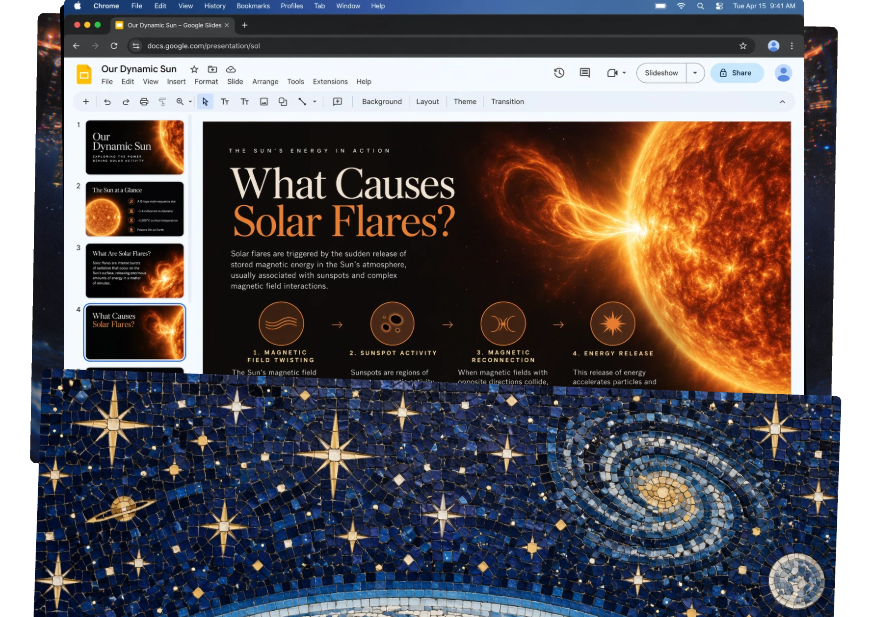
OpenAI launched ChatGPT Images 2.5 on September 8, 2026. The company says people now create more than 3 billion images each week across ChatGPT Images and GPT-Image models in the API. The update focuses on faster generation, more reliable editing, and better control over reference-based work.
Faster generation and steadier edits
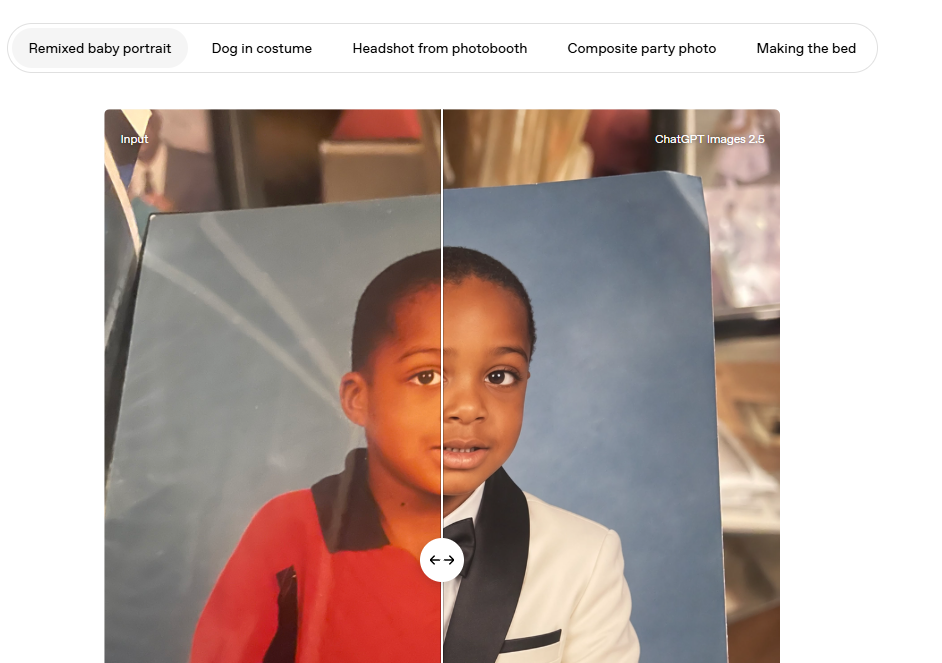
OpenAI reports up to 50% lower generation latency than Images 2.0. Images 2.5 also produces more natural lighting and richer textures. The model more reliably preserves recognizable subjects and distinctive features from reference photos.
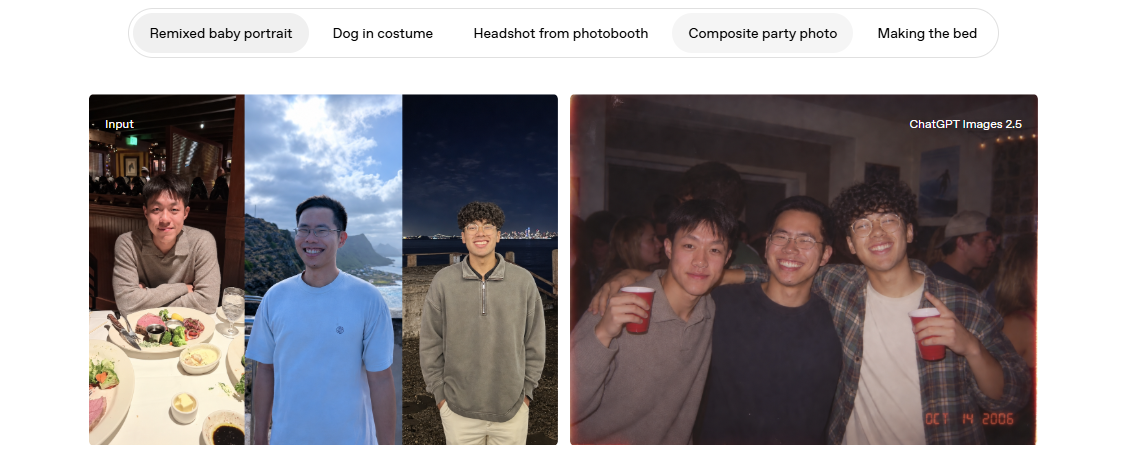
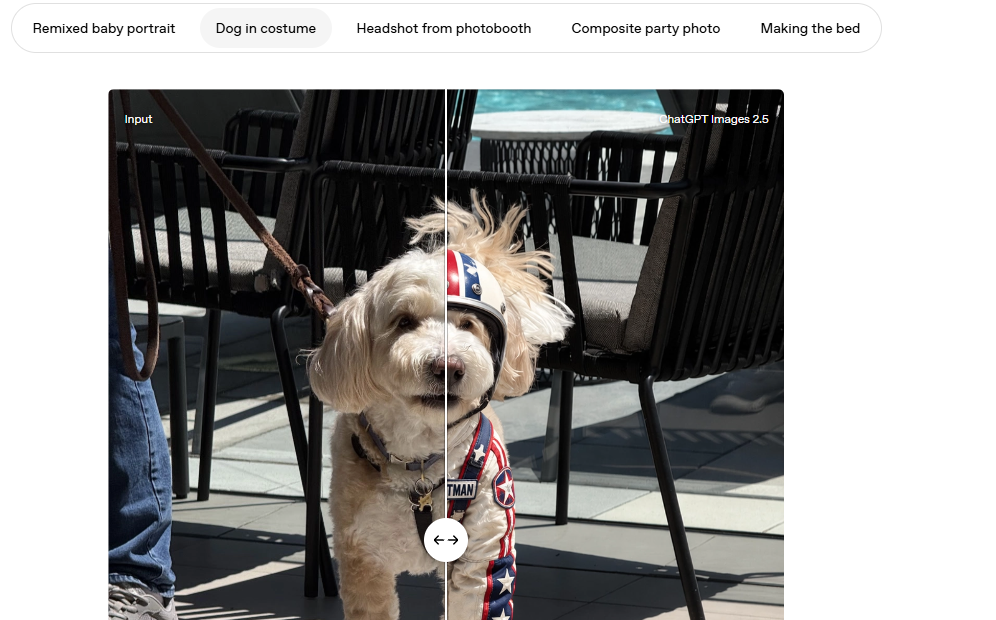
Focused edits target the requested element while retaining the surrounding subject, composition, background, and brand treatment. During multi-turn editing, earlier changes stay more consistent, and image quality degrades less as the conversation continues. OpenAI also reports better handling of complex layouts, transparent backgrounds, visual styles, and prompts involving real-world information.
New controls inside ChatGPT
- Sketch: Type @Sketch, draw a rough visual guide, then add a text description for the final image.
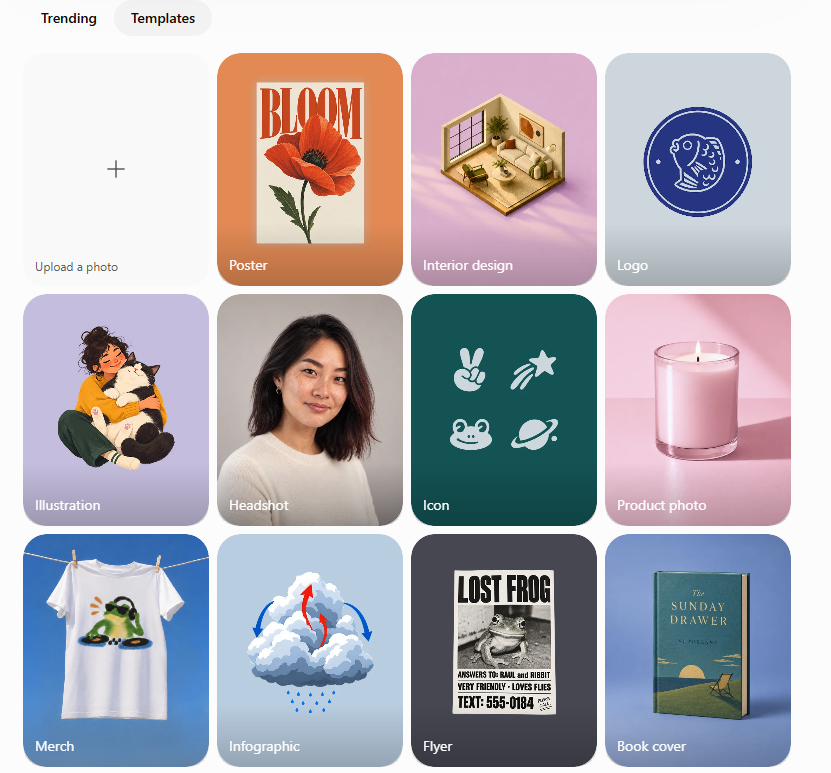
- Templates: Start with formats such as posters, merchandise, flyers, and product photos, then enter the content and visual direction.
- Image comments: Place comments directly on an image to identify a focused change.
- Prompt sharing: Include the original prompt when sharing an image, so another person gets the same starting point with different photos or details.
Two new API models
OpenAI released gpt-image-2.5-flare and gpt-image-2.5-sunburst for developers. Flare is the default choice for most applications. OpenAI says Flare delivers higher image quality than GPT-Image-2 with 50% lower latency. Sunburst targets premium workflows where editing precision matters more than generation time.
Both models work through the Images API for generation and editing. They also work through the Responses API, which supports multi-turn editing and image File IDs inside conversational or multi-step flows.
OpenAI lists the same standard token prices for both models: $5 per 1 million text input tokens, $8 per 1 million image input tokens, $2 per 1 million cached image input tokens, and $30 per 1 million image output tokens. Each listed rate is twice the corresponding GPT-Image-2 rate. Teams running high-volume generation should measure cost per accepted asset alongside the latency gain.